
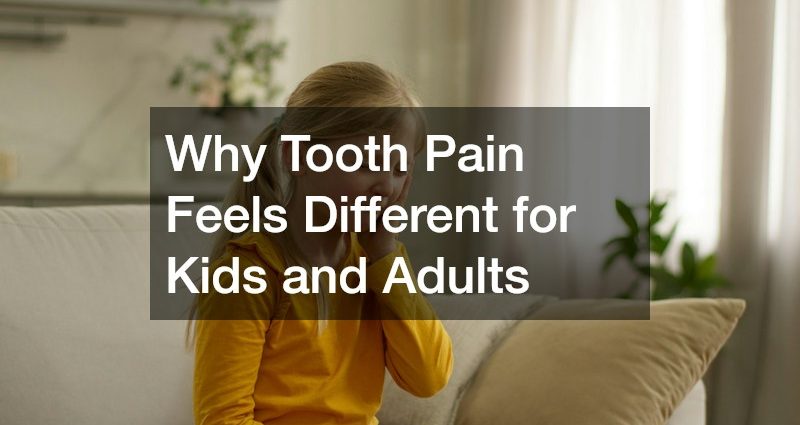
A toothache can feel like the end of the world, whether it strikes a six-year-old or a sixty-year-old, but the way that pain shows up and gets communicated is surprisingly different across age groups. Kids often struggle to describe where it hurts or how bad it is, while adults tend to downplay symptoms until the problem becomes serious. Understanding these differences can help parents respond faster and help adults recognize when a dull ache actually needs professional attention. This article breaks down why tooth pain presents so differently at various life stages and what you can do about it.
How Nerve Development Changes Pain Perception
A child’s teeth and surrounding nerve tissue are still developing, which means pain signals from a baby tooth or newly erupting molar can feel sharp, sudden, and overwhelming even when the underlying issue is minor. The dentin layer in primary teeth is thinner and the pulp chamber proportionally larger, so irritants reach the nerve faster and trigger a more intense reaction. This is also why children often struggle to describe *where* the pain is coming from, even though they can clearly tell you *that* it hurts. Adults have fully matured nerve pathways and often experience pain that builds gradually, giving them more warning before things become urgent. Years of minor dental wear, previous fillings, or small enamel cracks can also desensitize adult nerves over time, dulling the intensity of new pain signals. That gradual buildup means an adult may unconsciously adapt their chewing habits to avoid a sore tooth for weeks before ever mentioning it to a dentist. This is one reason a small cavity might make a child cry immediately, while an adult with the same size cavity barely notices it for weeks. It also explains why pediatric dentists often rely on behavioral cues — clutching a cheek, refusing certain foods, disrupted sleep — rather than a child’s verbal report alone. In adults, by contrast, X-rays frequently reveal decay or infection well before the patient reports any real discomfort.
The developing nerve tissue in children also means their pain threshold and tolerance are still being calibrated, so what feels unbearable to a child might feel like mild discomfort to an adult experiencing an identical issue. Nerve fibers continue maturing well into adolescence, and the pathways that help adults contextualize pain, distinguishing a dull ache from a genuine emergency, simply haven’t been fully wired yet in a seven or eight-year-old. Because of this, it helps to take a child’s complaints seriously even if the visible damage looks small, since their pain response is not exaggerated so much as genuinely more intense at that stage of development. A tiny cavity that an adult might ignore for weeks can trigger real, disruptive pain in a child, prompting tears, trouble sleeping, or refusal to eat. There’s also a psychological layer to consider. Kids often lack the vocabulary to describe pain accurately, so they may express it through behavior, irritability, clinginess, or acting out, rather than clearly saying “it hurts when I bite down.” Parents and dentists who recognize this gap between developing nerve sensitivity and limited communication skills are better equipped to catch problems early, rather than dismissing complaints as fussiness or attention-seeking.
Why Children Struggle to Describe Their Symptoms
Young children often lack the vocabulary and body awareness to explain exactly where pain is coming from, so a toothache might get described as a stomachache, an earache, or general fussiness. This confusion happens partly because nerve pathways in the face and jaw overlap, making it genuinely hard for a child to pinpoint the source, and partly because words like “sharp,” “throbbing,” or “aching” simply aren’t part of their everyday language yet. This can delay diagnosis because parents are left guessing rather than getting a clear picture of what is actually wrong. A child might point to their cheek one day and their ear the next, or insist nothing hurts at all even while refusing to eat, which can send families chasing the wrong explanation for days. Watching behavior patterns often reveals more than asking direct questions. Signs like chewing only on one side of the mouth, sudden reluctance to eat cold or sweet foods, disrupted sleep, or unexplained irritability in the late afternoon and evening can all point toward dental pain long before a child says a word about it. Younger children, especially those under five, may also tug at their ear or jaw simply because it’s the closest way they know to signal discomfort.
- Refusing to chew on one side of the mouth, often favoring soft foods that require little effort
- Sudden disinterest in cold or hot foods, even favorites like ice cream or soup
- Increased irritability around mealtimes, sometimes escalating into tantrums or crying
- Touching or pulling at the cheek or jaw, especially before bed or after eating
- Trouble sleeping through the night without an obvious cause, including frequent waking or resistance to lying down
- Unexplained low-grade fever paired with fussiness, which may signal an abscess or infection
- Drooling more than usual in toddlers and preschoolers, beyond typical teething patterns
- Avoiding brushing on one specific area of the mouth, or crying when that spot is touched
Why Adults Often Ignore Early Warning Signs
Adults tend to rationalize early tooth pain as something temporary, like sensitivity from whitening strips or a minor irritation that will pass on its own. This tendency to wait things out means adults frequently arrive at a dental visit with a problem that has progressed further than it would have in a child, simply because the warning signs were dismissed for so long. Busy schedules and the assumption that pain will resolve itself both play a role in this pattern.
Unlike children, who usually cannot mask discomfort for long, adults are skilled at compartmentalizing pain and continuing with daily routines despite an aching tooth. This means the actual severity of an adult’s dental issue is often underestimated until an exam reveals decay, infection, or a cracked tooth that has been quietly worsening for months.
The Role of Baby Teeth Versus Permanent Teeth
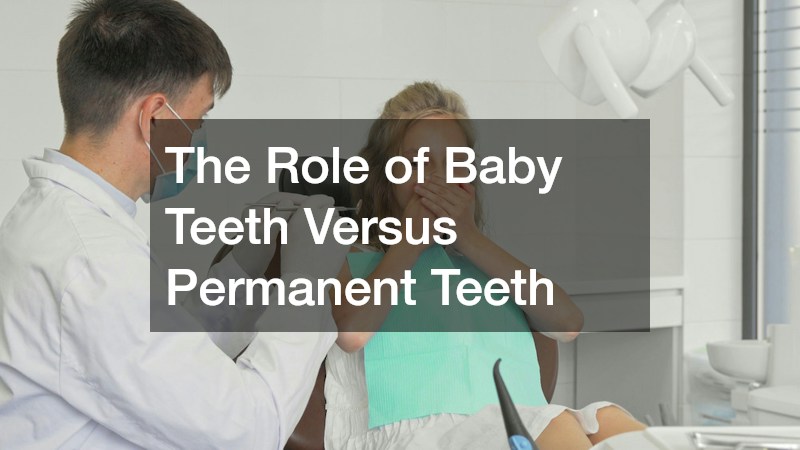
Baby teeth have thinner enamel and a larger pulp chamber relative to their size, which means decay can reach the nerve much faster than it would in an adult’s permanent tooth. This is part of why a cavity that looks small on the surface can cause a child significant pain in a short amount of time. Permanent teeth, with denser enamel and more established roots, tend to tolerate early decay longer before nerve involvement occurs.
Because of these structural differences, a visit to a kids dentist often focuses heavily on early intervention, since catching decay before it reaches the pulp can prevent a much more painful situation down the road. Parents who understand this difference are usually quicker to schedule checkups rather than waiting for a child to complain of pain, which by that point may already indicate a more advanced problem.
How Emotional Response Shapes the Experience of Pain
Fear and anxiety amplify how pain is perceived, and children are especially prone to associating any dental discomfort with a scary, unfamiliar experience. This emotional layer can make a mild ache feel catastrophic to a child, while an adult with more context and past experience is better equipped to separate the emotional reaction from the physical sensation. Anxiety in children can also make it harder to pinpoint the exact source of pain, since fear tends to generalize discomfort across the whole mouth or face.
Adults are not immune to this either, particularly those with anxiety rooted in past negative experiences with oral care. A checkup or cleaning appointment can trigger heightened pain perception in anxious adults simply because stress hormones make nerves more reactive, which is why a calm environment and clear communication matter at every age.
When Tooth Pain Signals a Need for Professional Evaluation
Persistent or worsening tooth pain in either a child or an adult is a signal that something structural needs attention rather than something to manage with over-the-counter pain relief alone. Ignoring these signals often allows infection or decay to spread, which can eventually threaten the tooth itself. In more advanced cases, tooth extractions become necessary when decay or damage has progressed beyond what a filling or root canal can repair.
- Pain that lingers for more than a day or two
- Swelling in the face, gums, or jaw
- Sensitivity to hot or cold that does not fade quickly
- Visible cracks, chips, or dark spots on a tooth
- Fever accompanying tooth or mouth pain
Building Long Term Habits That Reduce Painful Surprises
Routine care is one of the simplest ways to avoid the kind of sudden, severe pain that sends people scrambling for emergency appointments. Regular checkups allow small issues to be caught early, before they turn into the kind of pain that disrupts sleep, eating, or work. This is true at every age, though the specific risks and habits worth watching shift as people get older.
General dentistry checkups typically include screening for decay, gum disease, and bite issues that could eventually cause discomfort if left unaddressed. Building a habit of biannual visits, consistent brushing, and mindful eating reduces the odds of ever experiencing the kind of sharp, surprise pain that feels different depending on your age but is unpleasant no matter who you are.
Tooth pain is never just about the tooth itself; it is shaped by nerve development, communication skills, emotional response, and how well someone has been keeping up with preventive care. Recognizing these differences helps parents respond to a child’s distress with the seriousness it deserves and helps adults stop dismissing symptoms that need real attention. If tooth pain has been nagging at you or your child, the most productive next step is scheduling an evaluation rather than waiting for it to worsen. Addressing it early almost always means a simpler, less painful path forward.