

Wondering how many appointments you will need before your smile is finally finished can make it hard to plan your schedule, budget, and expectations. Some dental treatments wrap up in a single hour-long visit, while others stretch across several months of gradual adjustments. Knowing the real timeline for each procedure helps you avoid surprises and set realistic goals for your oral health journey.
This guide breaks down the most common dental treatments, so you know exactly what to expect from start to finish.
Routine Cleanings and Checkups
A standard dental cleaning and checkup is one of the fastest treatments you will ever schedule, typically taking between thirty and sixty minutes depending on how much plaque and tartar buildup the hygienist finds. Most people need this done twice a year, and the appointment usually includes a visual exam, polishing, and sometimes X-rays if it has been a while since your last set. If you have healthy gums and no cavities, you can expect to be in and out fairly quickly.
The timeline can extend if the dentist spots something during the exam that needs closer attention, such as a suspicious spot or early signs of gum disease. In those cases, the hygienist may recommend a follow-up visit rather than trying to address everything in one sitting. Staying consistent with these checkups actually shortens future appointments because problems get caught early instead of turning into bigger procedures.
Cavity Fillings and Same Day Repairs
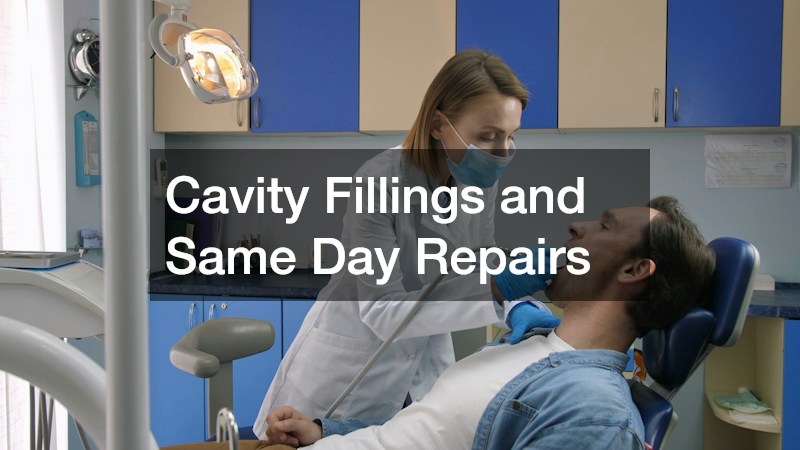
Getting a cavity filled is generally a same-day procedure that takes anywhere from twenty minutes to an hour, depending on the size and location of the decay. The dentist numbs the area, removes the decayed portion of the tooth, and fills the space with a composite or amalgam material that hardens quickly under a curing light. Most patients can eat and speak normally within a couple of hours once the numbness wears off.
If you have multiple cavities in different areas of your mouth, your dentist might split the work across two or more visits rather than numbing your entire mouth at once. This is often more comfortable for patients and allows the dentist to focus carefully on each tooth. Either way, fillings remain one of the quicker restorative treatments available.
Teeth Straightening for Children
Orthodontic treatment for younger patients tends to follow a longer timeline because it works alongside natural jaw growth and the eruption of permanent teeth. Kids braces are often worn for one to three years, with monthly adjustment visits to gradually shift teeth and correct bite issues. The exact duration depends on the severity of crowding or misalignment and how early treatment begins.
Some children start with an interceptive phase around age seven or eight to guide jaw development before all their adult teeth have come in, followed by a second phase once more teeth have erupted. This two-step approach can add time overall but often produces better long-term results than waiting until the teeth are fully in place. Parents should expect regular checkups throughout treatment to track progress and make small wire or bracket adjustments.
Clear Aligner Therapy for Adults and Teens
For patients who want a less visible way to straighten their teeth, Invisalign has become a popular alternative to traditional metal brackets, and the treatment timeline usually ranges from six months to eighteen months. Each set of clear aligners is worn for about one to two weeks before switching to the next in the series, gradually shifting teeth into their correct position through small, controlled movements. Compliance matters a great deal here, since aligners need to stay in for twenty to twenty-two hours a day to keep the treatment on schedule.
Mild cases, such as minor crowding or small gaps, can sometimes finish in as little as three to four months. More complex cases involving bite correction, significant spacing, or rotated teeth may require closer to sixteen to eighteen months, and some patients need refinement aligners near the end to fine-tune the final result. Regular check-ins with the dentist or orthodontist, typically every six to eight weeks, help track progress and catch any fit issues early. Skipping aligner wear time or losing a tray can add weeks to the overall plan, so consistency plays as big a role in the final timeline as the initial diagnosis.
Clear aligner therapy typically runs anywhere from six months for minor crowding to eighteen months or more for cases involving significant bite correction, with the average adult finishing somewhere around twelve to fourteen months. Teens often fall on the longer end of that range because their treatment plans may account for jaws and permanent teeth still settling into position. The exact length depends on how disciplined you are about wearing the aligners for the recommended twenty to twenty-two hours a day, since inconsistent wear can stall progress and add extra weeks or months to the plan.
Skipping even a few hours daily adds up quickly — a pattern of sixteen-hour wear instead of twenty can turn a twelve-month plan into a sixteen- or seventeen-month one. This is why compliance, more than the complexity of the case itself, is often the biggest variable in how fast someone finishes. Checkup visits are typically spaced six to eight weeks apart, which is less frequent than traditional braces since there are no wires to tighten. During these visits, the dentist checks that each aligner tray is tracking properly against the teeth and may take new scans if adjustments or refinement trays are needed partway through treatment.
Refinements, which are a second round of aligners to fine-tune results, are common near the end and can add four to eight weeks to the original estimate. Many adults appreciate this option because it fits more easily into a busy work schedule, with fewer in-office appointments and no emergency visits for broken wires or brackets. The tradeoff is that success relies almost entirely on personal responsibility, since a removable appliance only works when it’s actually being worn.
Replacing a Missing Tooth With an Implant
Restoring a missing tooth is one of the more time-intensive dental procedures because it involves multiple healing stages rather than a single visit. A tooth implant procedure typically starts with the surgical placement of a titanium post into the jawbone, followed by a healing period of three to six months while the bone fuses around the implant in a process called osseointegration. Only after this healing phase is complete does the dentist attach the abutment and final crown.
In total, patients should expect the entire process to take anywhere from four months to a year, depending on whether a bone graft is needed beforehand to strengthen the jaw. Some dental practices offer same-day options where a temporary crown is placed immediately, but the permanent restoration still requires the full healing timeline underneath. Patience during this process pays off, since a properly integrated implant can last for decades with good care.
- Initial consultation and imaging: one visit
- Implant placement surgery: about one to two hours
- Healing and bone fusion: three to six months
- Abutment and crown placement: additional four to six weeks
Brightening Your Smile in the Dentist Chair
If you are hoping for fast, visible results, professional teeth whitening delivers some of the quickest transformations in cosmetic dentistry. An in-office session typically takes sixty to ninety minutes, during which a high-concentration bleaching gel is applied and activated with a special light to lift stains from the enamel. Many patients walk out with noticeably brighter teeth after just one appointment.
For those who prefer a gradual approach, take-home whitening trays can achieve similar results over one to two weeks of nightly use, though the change happens more slowly than the in-chair version. Results generally last anywhere from six months to two years depending on your diet and habits like smoking or drinking coffee and red wine. Touch-up treatments every so often can help maintain that brighter shade over time.
Root Canal Therapy and Tooth Extractions

A root canal is often feared for being lengthy, but most straightforward cases are completed in one to two visits lasting about ninety minutes each, during which the dentist removes infected pulp and seals the tooth to prevent further infection. Molars with multiple canals can take longer to treat than front teeth because of their more complex root structure. A crown is usually placed afterward to protect the tooth, which may require a separate follow-up appointment.
Simple tooth extractions, by contrast, can often be finished in twenty to forty minutes, while surgical extractions involving impacted teeth may take closer to an hour and require a longer recovery period afterward. Swelling and soreness typically improve within a few days, though full healing of the gum tissue can take a couple of weeks. Your dentist will let you know which type of extraction applies to your situation during the initial exam.
Conclusion
As you can see, dental treatment timelines vary widely depending on the complexity of the procedure and your body’s natural healing pace. Simple treatments like cleanings and fillings can be handled in a single short visit, while orthodontics and implants require months of patience and follow-through. The best next step is to talk with your dentist about your specific goals so they can map out a realistic timeline tailored to your mouth. Being informed about what lies ahead makes the entire process far less stressful and much easier to plan around.