


A small chip or a dull ache can be easy to dismiss, but not every dental problem can be solved with a simple filling. Sometimes what looks like a minor issue on the surface is actually a sign of deeper decay, structural damage, or a cosmetic concern that needs a more comprehensive fix. Knowing the difference can save you time, money, and unnecessary discomfort down the road. Here is how to recognize when your smile needs more than a routine repair.
Persistent Pain After a Filling Is Placed
If you have already had a cavity filled and the tooth still throbs, aches, or reacts sharply to hot and cold weeks later, that is not normal. Lingering pain often means the decay reached closer to the nerve than expected, or the filling itself is not sealing the tooth properly. In some cases, this signals that the tooth needs a root canal or a crown instead of another patch job. Ignoring ongoing pain can allow an infection to spread, so it is worth getting a second look rather than waiting it out.
Sensitivity that comes and goes is different from pain that keeps you up at night or worsens when you bite down. The second type usually points to a structural problem that a filling cannot resolve on its own. A dentist can use X-rays to see what is happening beneath the surface and determine whether the tooth can be saved with a more durable restoration.
Cracks That Extend Below the Gum Line
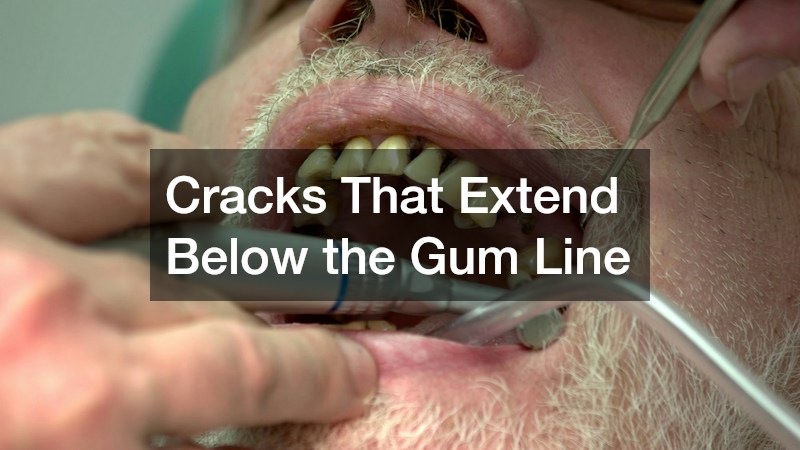
A visible crack on a tooth is concerning enough, but one that runs below the gum line is a much bigger issue. These subgingival fractures often cannot be sealed with filling material because there is no stable, accessible surface to bond to, and the crack sits in an area that’s difficult to clean or seal properly. Even a hairline crack in this location can continue to spread with normal chewing pressure, especially when biting down on hard foods like ice, nuts, or hard candy.
Dentists typically detect these cracks using a bite test, transillumination with a special light, or dental X-rays, since they aren’t always visible to the naked eye. The depth and direction of the crack matter a great deal: a fracture running vertically toward the root has a much worse prognosis than one confined to the crown, and it may determine whether the tooth can be saved at all.
Left untreated, the crack can eventually split the tooth in two or allow bacteria to seep into the pulp and root, leading to infection or abscess. At that point, treatment options escalate from a simple filling to a crown, root canal therapy, or in more advanced cases, extraction. Catching the problem early gives you a much better chance of keeping the natural tooth intact.
A crack that stops at the gum line is manageable. One that travels beneath it is a different problem entirely, because it can create a pathway for bacteria to reach the root and surrounding bone. Pain that flares up when you bite down, then fades, is a classic warning sign worth mentioning to your dentist. Dentists typically check for these deeper fractures using a bite test, dye that highlights the fracture line, or by examining the tooth under magnification. X-rays don’t always show vertical cracks clearly, so a visual exam often matters just as much as imaging. If the crack extends far enough below the gum line, a filling won’t hold, since there’s no stable structure left to bond it to.
In these cases, a crown, an onlay, or even extraction may be the only realistic options, depending on how much healthy tooth remains and whether the root itself is involved. Catching this early gives you more choices for how to protect the tooth long term. Waiting even a few weeks can allow the crack to spread further down the root, turning a savable tooth into one that ultimately has to be pulled.
Large Areas of Decay Covering Multiple Surfaces
Fillings work well for small to moderate cavities, but once decay spreads across several surfaces of a tooth, there may not be enough healthy structure left to support a filling. In these cases, the tooth needs something that can rebuild its shape and strength, such as an inlay, onlay, or full crown. Trying to force a filling into a tooth that is mostly decayed often leads to failure within a year or two.
This is one reason why routine checkups matter so much, since catching decay early keeps your options simple. Once a cavity has been left untreated for a long time, the treatment plan naturally becomes more involved. A dental laboratory often plays a role here, custom-fabricating crowns or onlays from molds or digital scans so the final restoration fits precisely and matches the surrounding teeth.
Teeth That Are Discolored, Worn, or Uneven in Shape
Not every smile concern is about pain or decay. Sometimes the issue is purely visual, like teeth that have become stained, chipped, worn down from grinding, or oddly shaped compared to the rest of your smile. A filling can repair small chips, but it will not correct color mismatches or reshape a tooth that has significantly worn down over time.
For concerns like these, a cosmetic dentist can walk you through options designed specifically to improve appearance rather than just function. Treatments in this category are tailored to your goals, whether that means brightening your whole smile or refining just one or two teeth.
- Chronic staining that does not respond to whitening treatments
- Teeth that look shorter or more worn than they used to
- Uneven edges or gaps that affect how your smile looks in photos
- Old bonding that has yellowed or chipped over the years
Chips or Gaps That Affect Your Confidence
A chipped front tooth or a noticeable gap between teeth can bother you every time you smile, even if it does not hurt or affect how you eat. These are cosmetic concerns first and functional concerns second, and they usually call for solutions built to last and look natural. Veneers are a common choice here, since they are thin shells custom-made to cover the front surface of a tooth and correct chips, gaps, or discoloration in one coordinated treatment.
The process typically involves a consultation, a small amount of tooth preparation, and a temporary fitting while your permanent veneers are custom-made to match your bite and facial structure. Many people choose this route when they want a comprehensive improvement rather than fixing one small flaw at a time. It is worth discussing your goals openly so the final result feels natural rather than overdone.
Children’s Cavities That Keep Returning

Kids’ teeth present a different set of challenges than adult teeth, especially when a child has a history of cavities forming again shortly after treatment. This pattern is often tied to diet, brushing habits, or enamel that has not fully matured, and it usually needs a broader strategy than another filling. A kids dentist can offer preventive options like sealants or fluoride treatments designed specifically for developing teeth.
Repeated cavities in the same area can also mean a previous filling has failed or that decay is sneaking in around its edges. Since baby teeth hold space for permanent teeth and guide healthy jaw development, addressing recurring decay early matters more than parents sometimes realize. A pattern of repeat problems is a good reason to ask for a closer evaluation rather than simply refilling the same spot again.
Jaw Pain, Clicking, or Uneven Bite Pressure
Sometimes a smile concern is not about one tooth at all but about how your teeth and jaw work together. Clicking or popping when you chew, morning headaches, or a bite that feels uneven can point to issues with jaw alignment or teeth grinding rather than a cavity. These symptoms often trace back to temporomandibular joint (TMJ) dysfunction, a condition affecting the joint that connects your jawbone to your skull. Other signs worth paying attention to include jaw pain that worsens with stress, a jaw that locks or gets stuck when open wide, and unexplained tooth sensitivity that shows up even when no decay is present.
Waking up with sore facial muscles or flattened, worn-down teeth is often a sign of nighttime grinding, known as bruxism, which many people don’t realize they’re doing until a dentist points out the wear patterns. A filling will not resolve these symptoms because the root cause lies in how the jaw joint or muscles are functioning, not in the tooth structure itself. Addressing it properly may involve a custom night guard, bite adjustment, or in some cases physical therapy for the jaw muscles. Left unaddressed, these issues tend to worsen over time, leading to cracked teeth, chronic headaches, or more significant jaw damage down the road.
If you notice a dull ache near your ears, a clicking or popping sound when you chew, or teeth that seem to hit unevenly when you bite down, these are classic signs of temporomandibular joint (TMJ) dysfunction or a bite misalignment—not something a simple filling can fix. Many patients also report frequent headaches, jaw fatigue in the morning, or a sensation that their teeth don’t fit together the way they used to. These concerns often require a broader evaluation that may include a night guard to manage teeth grinding, orthodontic adjustment to correct alignment, or a referral to a TMJ specialist or oral surgeon depending on severity.
Your dentist may also check for muscle tenderness, measure how widely you can open your mouth, or take imaging to assess joint positioning. Left unaddressed, uneven bite pressure can accelerate wear on your teeth, flatten your molars over time, and even contribute to future cracks or fractures that require crowns or root canals. In some cases, chronic clenching can also lead to gum recession or loosened teeth. Paying attention to these signals early—rather than waiting for pain to become constant—can prevent a cascade of dental problems and more invasive treatment down the line.
Conclusion
Your smile gives you plenty of clues when something needs more attention than a standard filling can provide, from lingering pain to visible wear to bite discomfort that will not go away. Paying attention to these signs and scheduling an evaluation sooner rather than later gives you more treatment options and better long-term results. Whatever the concern, getting a professional opinion is the clearest way to understand what your smile actually needs next.