

A healthy smile affects far more than basic appearance. It plays a central role in speech clarity, nutrition, jaw alignment, and everyday self-confidence. Over a lifetime, individuals may experience tooth loss due to severe decay, accidental injury, or age-related wear. When missing teeth leave noticeable gaps, finding an effective replacement strategy becomes an urgent priority for maintaining long-term physical well-being.
In years past, options for replacing lost teeth were limited in both comfort and aesthetics. Today, advanced clinical techniques and refined materials have dramatically changed what patients can expect during treatment. Modern clinical settings focus on delivering personalized solutions that preserve natural function while rebuilding facial contours. When patients consult a trusted family dentist, they gain access to comprehensive diagnostic tools that evaluate total oral structure, bone density, and soft tissue health.
Navigating tooth replacement requires understanding how different dental restorations interact with surrounding mouth tissue. A welcoming dentists office serves as the primary starting point for evaluating these treatment paths, offering modern imaging techniques like digital three-dimensional scans and low-radiation radiography. These initial evaluation steps help patients weigh the advantages of various appliances against their individual lifestyle needs and medical history. By taking a proactive approach to restorative care, individuals can prevent secondary complications, such as shifting adjacent teeth and progressive jawbone resorption.
Understanding Tooth Loss and Its Overall Health Impact
Tooth loss rarely occurs in isolation. When a tooth is missing, the surrounding oral ecosystem undergoes subtle yet significant shifts. Adjacent teeth gradually tip and drift into the open gap, disturbing natural bite alignment. This movement creates hard-to-clean crevices that trap food particles and harmful bacteria, increasing the risk of localized decay and periodontal infections. Furthermore, the underlying jawbone relies on constant mechanical stimulation from natural tooth roots to maintain its volume. Without root stimulation, bone tissue in the empty site slowly reabsorbs into the body over time.
In many clinical scenarios, teeth must be removed promptly due to acute trauma, severe structural fracture, or widespread infection that threatens adjacent health. Clinicians routinely perform emergency tooth extractions to control pain and prevent systemic infection from invading surrounding tissue. While removing a compromised tooth provides immediate relief from discomfort, it also initiates the timeline for replacement planning. Leaving an extraction site vacant for extended periods allows bone loss to progress unchecked.
Seeking early evaluation at an established local dentist practice ensures that patients explore replacement strategies before significant bone deterioration takes place. Dental professionals assess the extraction socket, evaluate tissue healing, and map out a comprehensive path forward. Addressing tooth loss immediately after an extraction preserves existing facial contours and minimizes the need for future bone grafting procedures.
Traditional Dentures: Features, Benefits, and Drawbacks
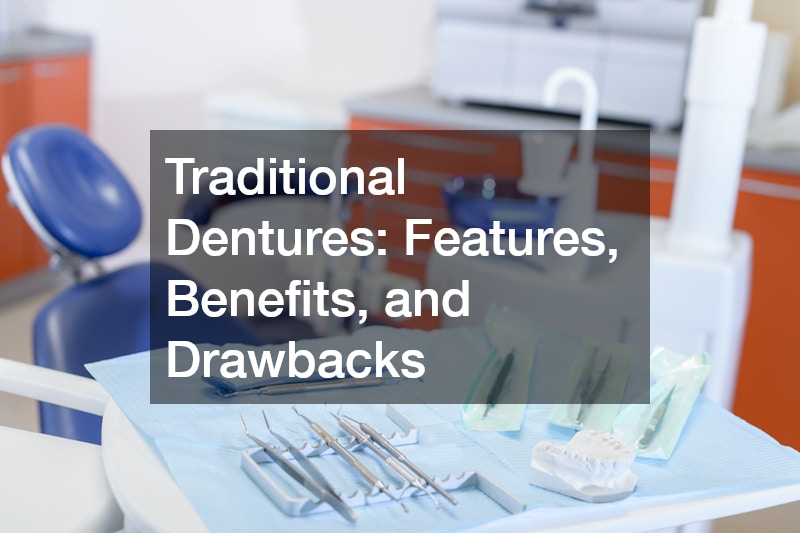
Removable appliances have served as a mainstay of restorative care for decades, providing an accessible solution for individuals missing multiple or all teeth within an arch. Modern removable dentures consist of prosthetic teeth set into an acrylic or metal base that closely mirrors natural gum tissue. These appliances rely on suction, specialized adhesives, or surrounding musculature to remain in place during everyday activities like chewing and speaking.
One primary benefit of traditional removable prosthetics is their non-invasive nature. The process generally requires no surgical procedures, making it a viable alternative for patients with underlying medical conditions that contraindicate surgery. Additionally, removable prosthetics involve a lower initial financial investment compared to advanced surgical interventions. They allow patients to regain a complete smile and basic masticatory function within a relatively brief timeframe.
However, removable appliances present operational limitations. Because they sit directly on top of soft tissue rather than integrating with underlying bone, they do not stimulate jawbone growth. Over time, progressive bone loss alters the shape of the oral ridge, causing appliances to lose their snug fit. Patients frequently require professional relining procedures to address slipping and sore spots. To keep supporting tissues healthy, clinics often provide specialized laser gum therapy services to soothe chronic inflammation along soft tissue borders.
Dental Implants: The Science of Permanent Restoration
To address the structural drawbacks of removable prosthetics, modern implantology offers a bio-engineered solution that mimics the full anatomy of a natural tooth. Modern dental implants consists of a small titanium post surgically positioned directly into the jawbone. Titanium possesses unique biocompatible properties, enabling a process known as osseointegration. Over several months, living bone cells fuse directly to the surface of the titanium post, creating a permanent anchor within the jaw.
Once integration is complete, a connecting piece called an abutment is attached to the post, followed by a custom porcelain crown. This three-part design replaces both the root and the visible crown of the missing tooth. Because the post continues to transmit natural biting forces directly into surrounding bone tissue, it actively halts bone loss following tooth extraction. The resulting restoration functions and looks virtually indistinguishable from a healthy natural tooth.
From an aesthetic perspective, placing an implant requires remarkable artistry alongside precise anatomical knowledge. A skilled cosmetic dentist meticulously designs the visible crown to match the shade, translucency, texture, and proportion of adjacent teeth. This artistic attention to detail ensures that the final restoration seamlessly blends into the patient’s smile profile. While the placement procedure involves minor surgical intervention, the high success rate of integrated titanium posts makes them a premier long-term reconstructive choice.
Comparing Stability, Durability, and Long-Term Value

When evaluating tooth replacement options, patients must weigh short-term convenience against long-term performance. Removable full or partial dentures provide immediate cosmetic restoration and restore basic chewing capabilities. However, their functional stability depends on external retention factors. Patients using removable prosthetics often experience reduced bite force, restricting their ability to comfortably consume tough foods. Over years of use, changes in underlying bone structure require periodic adjustments, repairs, or complete remaking of the device.
In contrast, a secure dental implant offers structural stability matching that of natural teeth. Because the post is firmly anchored inside the jawbone, there is zero risk of shifting or slippage during conversation or dining. Patients can eat a wide variety of foods without worrying about appliance displacement. Furthermore, titanium posts boast exceptional longevity, often lasting a lifetime when maintained with consistent oral hygiene and routine clinical monitoring.
While the upfront financial commitment for titanium posts is generally higher than removable options, the long-term financial equation is highly favorable for patients looking for permanent results. Removable prosthetics carry recurring costs over time, including specialized cleaning solutions, sticky adhesives, periodic professional relines, and full replacements every few years. Implants, by contrast, rarely require replacement once successfully integrated, making them a remarkably cost-effective choice across a patient’s lifespan.
Bone Health and Facial Structure Preservation
The health of the human jawbone is intimately connected to the presence of functioning tooth roots. When a natural tooth root is lost, the jawbone section that previously held it no longer receives physical stimulation from everyday chewing pressure. Following natural physiological responses, bone tissue that is not actively stimulated begins to atrophy and dissolve over time. Over several years, significant jawbone loss can alter the lower third of the face, leading to sunken cheeks, thinned lips, and a prematurely aged appearance.
Removable appliances sit directly above the gums and do not replace missing root structures, meaning they cannot stop this gradual loss of underlying jawbone. In situations where patients undergo emergency tooth extractions due to severe trauma or widespread decay, preserving bone height becomes an immediate clinical priority. Without strategic bone preservation protocols at the time of removal, the jaw ridge narrows rapidly within the first six months post-procedure.
Maintaining tissue health surrounding any restoration is equally vital to preventing secondary bone loss. Periodontal diseases or localized infections can compromise both natural roots and supportive bone structures. Modern practices utilize advanced laser gum therapy services to targetedly eliminate pathogenic bacteria, promote soft tissue regeneration, and preserve healthy bone levels around vulnerable teeth. By focusing on root replacement and comprehensive soft tissue management, dental care providers effectively safeguard both facial aesthetics and long-term skeletal integrity.
Aesthetic Considerations and Customizing Your Smile
Achieving a natural, attractive smile involves much more than simply filling open spaces in the dental arch. Modern restorative dentistry blends engineering with artistic principles to replicate the subtle characteristics of natural tooth enamel. Every individual presents unique tooth shapes, surface textures, color gradients, and gum contours that must be evaluated when designing replacement prosthetics. Restoring a smile requires a thorough understanding of facial symmetry and lip lines to ensure optimal visual harmony.
When designing custom crowns or full-arch restorations, an experienced cosmetic dentist analyzes facial proportions from multiple angles. Advanced digital photography and shade-matching tools allow clinicians to choose materials that capture light just like natural tooth structure. High-translucency ceramic and porcelain materials reflect light naturally, avoiding the artificial look that older restoration materials exhibited. Whether restoring a single missing front tooth or recreating an entire arch, careful customization produces results that enhance natural beauty.
Smile restoration often requires addressing existing alignment issues before final prosthetic placement. In cases where remaining natural teeth have drifted or rotated into open spaces, clinicians may recommend orthodontic correction using clear aligners prior to final restoration. Aligning neighboring teeth ensures that the eventual crown or bridge fits perfectly within the arch while establishing optimal contact points with adjacent surfaces. This multi-step approach produces a balanced, functional smile where each component works in complete aesthetic harmony.
Alignment and Bite Mechanics in Restorative Dentistry
Proper occlusion—the precise way upper and lower teeth meet during chewing and resting—is vital for maintaining long-term oral stability. When a missing tooth is left unreplaced, neighboring teeth lean toward the void, while opposing teeth in the opposite arch can over-erupt into the open space. This cascading movement disturbs the natural bite, creating abnormal pressure points that can cause premature wear on enamel, chipped restorations, and painful jaw joint discomfort known as temporomandibular joint dysfunction or TMJ disorders.
Correcting these mechanical imbalances before placing final permanent restorations is a crucial clinical step. Many adult patients prefer discreet orthodontic treatments like Invisalign to gently shift misplaced teeth back into their proper anatomical positions. These custom-molded tray systems allow patients to achieve optimal tooth positioning without relying on traditional metal brackets and wires. Re-establishing proper spacing ensures that replacement teeth receive balanced force distribution during everyday chewing and speaking.
Utilizing modern clear aligners as part of a pre-restorative treatment plan provides predictable mechanical results. Smooth plastic trays apply continuous, light force to reposition crowded or drifted teeth, creating adequate room for incoming artificial crowns. Once natural bite alignment is successfully restored, final prosthetic components can be fabricated with exceptional precision. Correct bite mechanics not only protect new restorations from excessive wear but also safeguard remaining natural teeth from structural stress and unexpected fracture over time.
Comprehensive Care and Maintenance Routines
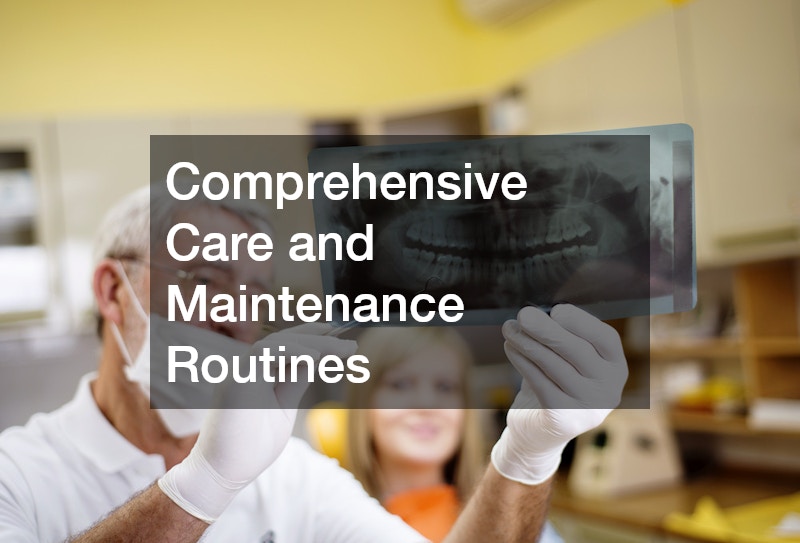
Long-term success for any tooth replacement solution depends on consistent daily oral hygiene combined with professional clinical oversight. While artificial crowns and prosthetic teeth cannot develop traditional cavities, surrounding gum tissue and underlying bone remain susceptible to inflammation and bacterial infection. Conditions such as peri-implantitis—an inflammatory disease affecting tissues around titanium posts—can lead to bone loss and potential restoration failure if left unaddressed.
Maintaining removable appliances involves daily soaking, gentle brushing with non-abrasive cleaners, and thorough cleaning of the oral tissue underneath the prosthetic. Implant restorations, on the other hand, are cared for much like natural teeth, requiring daily flossing, dedicated brushing, and specialized interdental tools to remove plaque along the gumline. For patients undergoing preliminary orthodontic positioning with Invisalign, maintaining strict tray hygiene and brushing after every meal is equally vital for keeping supporting gum tissues firm and healthy throughout treatment.
Making the Right Choice for Your Health and Lifestyle
Choosing between titanium root replacements and removable acrylic appliances is a personal decision that involves evaluating health status, lifestyle preferences, long-term goals, and financial considerations. Every patient presents a unique clinical profile; what works exceptionally well for one individual may not suit another. Key factors such as available bone density, systemic health conditions like diabetes, personal daily routines, and individual budget considerations all play vital roles in shaping the final decision.
A thorough consultation at a modern dentists office provides a comfortable environment to discuss these options candidly with experienced clinical professionals. During this comprehensive evaluation, clinicians review medical history, perform thorough examinations, and utilize advanced diagnostic imaging to map out customized treatment trajectories. Patients are encouraged to ask detailed questions about procedure timelines, recovery expectations, maintenance requirements, and overall long-term outcomes before deciding on a specific treatment path.
Partnering with an established local dentist practice ensures continuity of care from initial diagnostic planning through long-term maintenance visits. Having a reliable clinical team nearby provides peace of mind throughout every phase of treatment, whether undergoing minor surgical placement or simple routine adjustments. Restoring missing teeth is an important investment in overall health, nutritional well-being, and personal confidence. With guidance from dedicated oral health professionals, patients can confidently select a replacement path that restores function, preserves facial aesthetics, and ensures a lifetime of healthy smiles.