

Key Takeaways
- Enamel is the hardest substance in the human body, but it can weaken over time from acid exposure, aging, and mineral loss, making fractures far more likely.
- Nighttime clenching and grinding generate forces far greater than normal chewing and are one of the leading reasons for sudden dental fractures.
- Diet plays a major role — acidic drinks, sugar, and hard foods like ice or popcorn kernels contribute to enamel erosion and surface cracks.
- Underlying issues such as acid reflux, dry mouth, vitamin deficiencies, and untreated cavities can quietly weaken dental structure before any visible damage appears.
- Protective measures like custom night guards, fluoride treatments, and regular checkups significantly reduce fracture risk.
- Age-related wear, old fillings, and shifting bite patterns can all compromise structural integrity, especially in adults over 40.
- Prevention relies on a combination of good hygiene, smart dietary choices, and prompt treatment of small cracks before they expand.
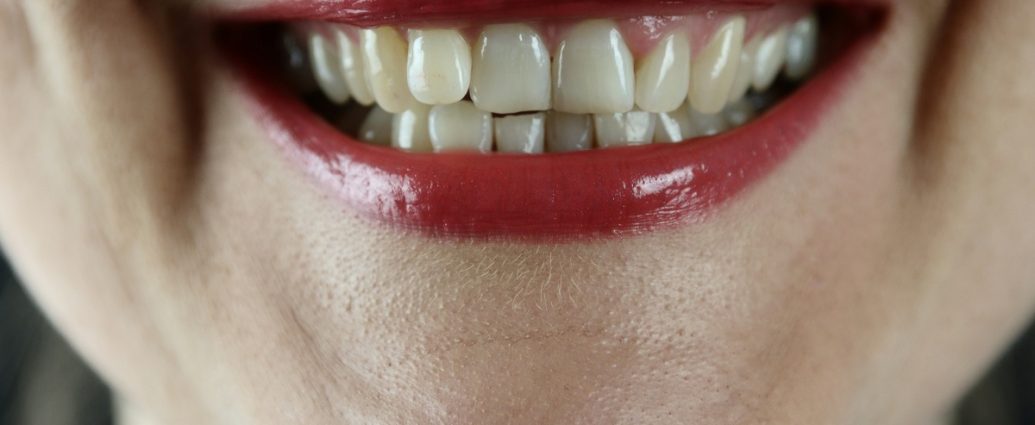
Teeth look permanent. They feel like stone. But under a microscope, enamel is a complex mineral structure that can wear down, crack, and chip in ways most people never anticipate until a piece breaks off in their mouth. For many adults, the first chip comes as a shock — a bite into a sandwich, a sip of coffee, a crunchy snack — and suddenly something feels wrong.
Dental fractures are more common than most patients realize. According to Zdentist, roughly one in ten adults in the United States has experienced a chipped tooth at some point in their lives. That number has been climbing in recent years, driven by changes in stress levels, diet, and sleep habits. Great Lakes Family Dental Group reports that in a recent survey, 63% of dentists observed an increase in patients coming in with chipped teeth, suggesting this is not an isolated problem but a growing trend.
Understanding what’s happening inside your mouth — and why enamel fails — is the first step toward keeping your smile intact. This guide walks through the science, the risk factors, and the preventive habits that actually work.
What Enamel Is and Why It Weakens
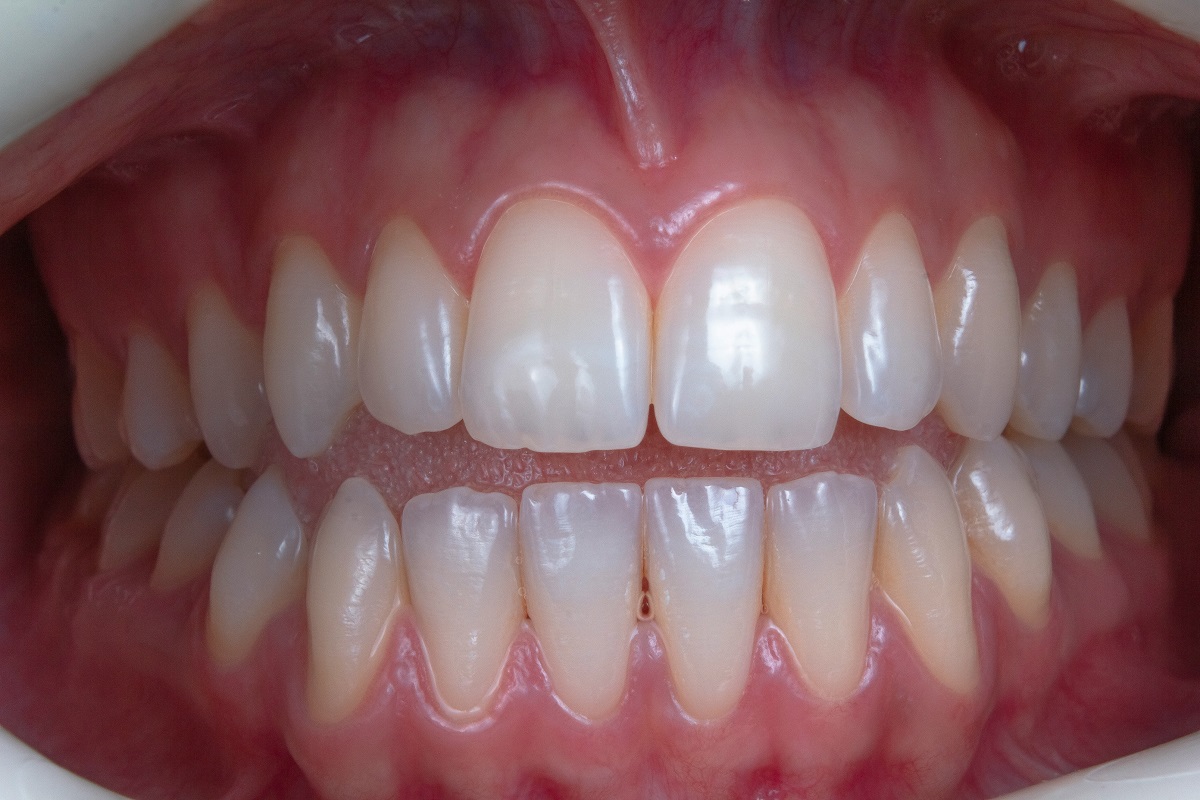
Enamel is the outermost layer of your tooth and the hardest tissue your body produces. It’s about 96% mineral, mostly a crystalline form of calcium phosphate called hydroxyapatite. That mineral content gives enamel its incredible resistance to pressure, but it also makes it brittle. Unlike bone, enamel contains no living cells. Once it’s damaged, your body cannot repair it.
Every time you eat or drink something acidic, the pH in your mouth drops and enamel begins to demineralize. Saliva eventually neutralizes the acid and allows minerals to redeposit, but this balance can tip the wrong way with repeated exposure. Over months and years, microscopic weak points accumulate. A tooth that once seemed invincible becomes thinner, more porous, and far more prone to chipping.
How Mineral Loss Sets the Stage for Fractures
Demineralization doesn’t just affect the surface. It creates tiny channels and pits throughout the enamel layer, which act like stress concentrators. When biting pressure hits one of these weakened zones, a crack can form instantly. This is why many people chip a tooth on something they’ve eaten hundreds of times without issue — the damage was already there, waiting for a trigger.
Why Are My Teeth Chipping Easily All of a Sudden?
If you’ve been asking yourself why are my teeth chipping easily lately, the answer usually involves more than one factor. Rarely is a single cause responsible. Instead, chips tend to emerge from a slow accumulation of enamel wear, repeated mechanical stress, and underlying health conditions that compound quietly over months or even years. What feels sudden is often the final tipping point of damage that has been building up invisibly, until one unlucky bite into a sandwich, a popcorn kernel, or even a fork pushes the weakened structure past its breaking point.
Common contributing factors include:
- Chronic grinding or clenching, especially during sleep, which can exert forces of up to 250 pounds per square inch on your molars
- Acidic diets high in soda, citrus, wine, or coffee that gradually dissolve the mineral content of enamel
- Untreated cavities that hollow out the tooth from within, leaving a thin outer shell that collapses under normal chewing pressure
- Old or oversized fillings that leave surrounding enamel thin, unsupported, and prone to fracture at the margins
- Sudden temperature changes, like biting ice after hot coffee, which cause microscopic expansion and contraction that fatigue the tooth
- Nutritional gaps affecting calcium, vitamin D, or phosphorus intake, all of which are essential for remineralization
- Acid reflux or GERD, which bathes the back teeth in stomach acid during sleep
- Dry mouth from medications, dehydration, or mouth breathing, which eliminates saliva’s natural protective buffering
A brittle tooth often shows warning signs long before it actually breaks — sensitivity to cold air or sweet foods, a faint hairline crack visible under light, a dull ache when biting down, or a rough edge you can feel with your tongue. Some people also notice their teeth looking slightly more translucent at the edges, a telltale sign that enamel has thinned enough to let the underlying dentin show through. Paying attention to these subtle cues can mean the difference between a minor polish or bonding appointment and a far more invasive root canal, crown, or even extraction down the line. The sooner you connect the dots, the more conservative — and affordable — your treatment options tend to be.
The Grinding Problem Most People Don’t Know They Have
Bruxism — the clinical term for grinding and clenching — is one of the most destructive habits for teeth, and it often happens unconsciously during sleep. The Cleveland Clinic notes that chronic grinding puts enormous stress on teeth and can lead to visible cracks or chips over time. The problem is that most grinders don’t know they’re doing it until a dentist spots the wear patterns.
The forces involved are staggering. According to WhyIsMyOrg, grinding during sleep can produce pressure as high as 250 pounds per square inch, which dwarfs the force generated by ordinary chewing. Imagine applying that kind of pressure, repeatedly, for hours every night. Enamel simply isn’t designed to withstand that sustained load.
Spotting the Signs of Nighttime Clenching
Dentists look for specific clues: flattened chewing surfaces, worn-down canines, small chips along the biting edges of front teeth, and sensitivity in the mornings. Jaw soreness, headaches on waking, and clicking in the temporomandibular joint are also red flags. A custom night guard, fitted by a dentist, remains the gold standard for protecting teeth from grinding damage.
Diet, Acid, and the Slow Erosion of Enamel
What you eat and drink matters as much as how you brush. Acidic beverages — soda, sports drinks, fruit juice, wine, and even sparkling water — lower the pH of your mouth and dissolve enamel minerals. Sugar feeds oral bacteria, which produce their own acid as a byproduct, compounding the damage.
Hard foods present a different kind of threat. Ice cubes, hard candy, popcorn kernels, and certain nuts can crack enamel outright, especially when a tooth is already weakened. Even healthy foods like crusty bread or raw carrots can trigger a fracture in a compromised tooth.
Smart dietary habits that protect enamel include:
- Drinking acidic beverages through a straw to limit tooth contact
- Rinsing with water after consuming anything acidic or sugary
- Waiting 30 to 60 minutes before brushing after acidic exposure
- Eating calcium-rich foods like dairy, leafy greens, and almonds
- Chewing sugar-free gum with xylitol to stimulate saliva flow
- Limiting between-meal snacking that keeps mouth pH low
Saliva is your mouth’s natural buffer. Anything that reduces saliva flow — dehydration, certain medications, mouth breathing — accelerates enamel loss and increases fracture risk.
Medical Conditions and Age-Related Changes
Not every chip is caused by habits. Some stem from underlying medical issues that quietly weaken teeth from the inside out. Acid reflux and GERD bathe teeth in stomach acid, which is far more corrosive than dietary acid. Eating disorders involving vomiting have the same effect. Diabetes affects gum health and saliva production. Osteoporosis and vitamin D deficiency can impair the mineral balance that keeps enamel strong.
Age also plays a role. Enamel gets thinner over the decades through normal wear. Old fillings expand and contract with temperature changes, creating stress fractures in surrounding tooth structure. Gum recession exposes softer root surfaces that chip far more easily than enamel. Understanding the lifelong oral health stages can help you anticipate how your teeth will change and adjust your care routine accordingly.
When Medication Is the Hidden Culprit
Hundreds of common prescriptions reduce saliva production as a side effect. Antidepressants, antihistamines, blood pressure medications, and diuretics all contribute to dry mouth, which strips away one of your body’s most important defenses against enamel breakdown. If you’ve started a new medication and noticed increased sensitivity or small chips appearing, talk to your dentist about saliva substitutes or prescription-strength fluoride rinses.
Prevention Strategies That Actually Work
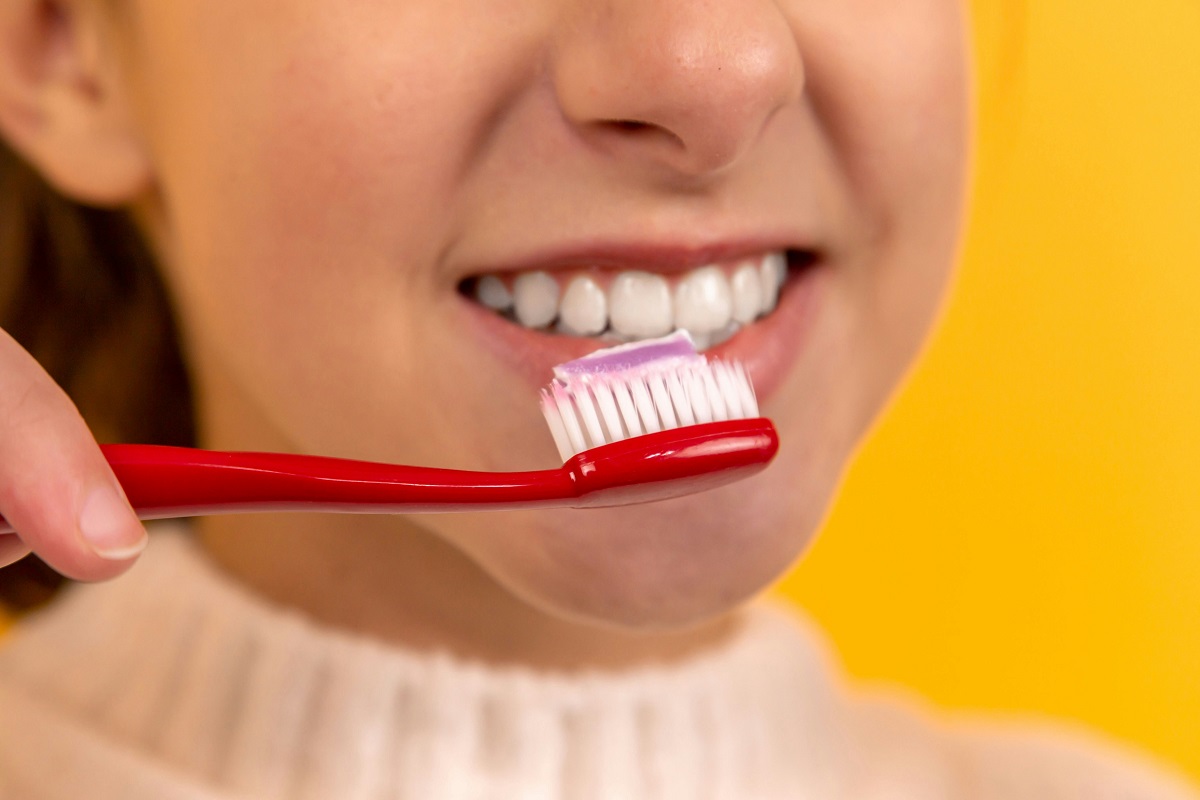
Keeping teeth intact is less about any single trick and more about consistent habits layered over time. The most effective prevention combines professional care with daily protective choices.
Daily habits worth building:
- Brush twice a day with a soft-bristled brush and fluoride toothpaste
- Floss once daily to prevent cavities that weaken tooth walls
- Use a remineralizing or fluoride mouth rinse before bed
- Stay hydrated to maintain healthy saliva flow
- Avoid using teeth as tools to open packages, bite nails, or hold objects
- Wear a mouthguard during contact sports or high-impact activities
Professional care that pays off:
- Twice-yearly cleanings and exams to catch cracks early
- Fluoride treatments or prescription toothpaste for high-risk patients
- Custom night guards for anyone with signs of bruxism
- Replacement of old amalgam fillings before they fracture surrounding enamel
- Bonding or sealants on teeth with visible wear or minor cracks
Catching a small crack before it propagates is one of the highest-value things a dentist can do. A hairline fracture treated with bonding costs a fraction of what a crown or root canal does, and it preserves far more of the natural tooth.
The Role of Fluoride and Remineralization
Fluoride works by integrating into the enamel’s crystal structure, forming fluorapatite, which is more resistant to acid than the original hydroxyapatite. Professional fluoride treatments deliver concentrations far higher than over-the-counter toothpaste. For adults with recurring chips or sensitivity, prescription-strength fluoride gels or varnishes can meaningfully slow the progression of enamel loss.
Newer remineralizing products containing calcium phosphate or hydroxyapatite nanoparticles are also showing promise. They work alongside fluoride to actively rebuild weakened surface layers, giving compromised teeth a fighting chance against daily wear.
When to See a Dentist Immediately
Not every chip is an emergency, but some warrant same-day attention. If a chip exposes the inner yellow dentin or the pinkish pulp, if you experience sharp pain when biting or drinking cold water, or if a jagged edge is cutting your tongue or cheek, call your dentist right away. Delayed treatment can allow bacteria to penetrate the tooth’s interior, leading to infection and potentially tooth loss.
For minor cosmetic chips with no pain, scheduling an appointment within a week or two is usually sufficient. Your dentist can smooth the edge, bond composite resin to restore the shape, or recommend a veneer or crown depending on the extent of damage.
Closing Thoughts
Teeth don’t chip without reason. Behind every fracture is a story — years of acid exposure, undetected grinding, a filling that outlasted its welcome, or a nutritional gap that quietly thinned the enamel. The good news is that most of these causes are identifiable and addressable long before serious damage occurs. The habits that protect your teeth are the same ones that support broader oral health: mindful eating, consistent hygiene, hydration, and regular professional care.
If you’ve already experienced a chip, treat it as useful information rather than just a problem to fix. It’s your mouth telling you something has shifted — bite forces, enamel strength, saliva balance, or structural wear. Working with your dentist to identify the underlying cause means the next chip is far less likely to happen. Small adjustments made now, from a night guard to a dietary tweak, compound into decades of stronger, more resilient teeth.
A healthy smile isn’t built in a single appointment. It’s maintained through awareness, prevention, and the willingness to act on early warnings before they become expensive repairs. Your enamel can’t regrow, but with the right strategy, it doesn’t have to.