

The Lifelong Smile Blueprint Navigating Every Stage of Family Oral Health

A healthy smile is not a static achievement. It is a dynamic, evolving aspect of overall physical wellness that changes with every passing decade. From the moment the first primary tooth breaks through an infant’s gums to the golden years of retirement, the human mouth undergoes constant transformation. Managing these shifts successfully requires more than just an occasional brushing routine or a reactionary trip to a clinic when a toothache becomes completely unbearable. It demands a comprehensive framework that anticipates the changing needs of the human body over time. This proactive approach to long-term physical wellness forms the core foundation of modern dentistry, which has shifted from a discipline focused merely on extractions and basic repairs to one centered entirely on lifelong prevention and preservation. In fact, medical research increasingly links oral conditions to systemic health issues like cardiovascular disease, diabetes, and respiratory complications, making proactive care even more critical. Clinicians today emphasize patient education, guiding families on how diet, hydration, and daily habits directly influence the longevity of their teeth.
When individuals think about health milestones, they often focus on pediatric checkups or senior medical screenings, sometimes forgetting that the mouth requires a similar, highly dedicated timeline. Each stage of human life introduces unique physiological challenges. Toddlers face the hurdle of learning basic manual habits, while teenagers often deal with structural alignment changes as their permanent teeth fully settle into place. Adults frequently contend with the cumulative effects of lifestyle choices, stress-induced grinding, and natural structural wear. Seniors navigate significant changes in bone density and tissue health that can profoundly impact how they speak, eat, and socialize. Having a reliable provider, specifically a trusted family dentist, makes these transitions infinitely smoother because they maintain a comprehensive record of a patient’s clinical history and behavioral habits over the years. This structural continuity ensures that minor shifts in oral health are caught early, preventing minor issues from developing into complex systemic complications.

Early Childhood and Toddler Dental Care
Early Childhood and Toddler Dental Care

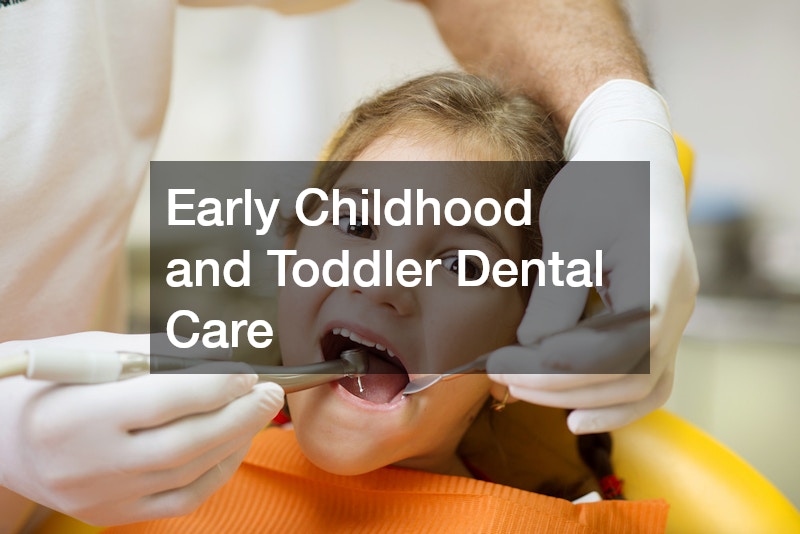
The foundation of a lifetime of oral health begins much earlier than many parents realize. Pediatric health organizations generally recommend that a child have their first clinical assessment by their first birthday or within six months of the appearance of their first primary tooth. While these initial teeth are destined to fall out eventually, their role in a child’s development cannot be overstated. Primary teeth act as essential placeholders for permanent adult teeth, guiding them into the correct positions. They are also crucial for the development of clear speech patterns and proper chewing habits during formative nutritional years. Neglecting early care can lead to premature tooth loss, which frequently causes severe alignment issues and crowded adult teeth later in life. Additionally, early childhood caries can cause chronic pain, impacting a child’s sleep, behavior, and school performance.
Introducing a child to a clinical environment early also serves an important psychological purpose. It helps demystify the sights, sounds, and textures of a clinic, reducing the likelihood of dental anxiety in the future. A positive initial experience relies heavily on the approach of the practitioner. A gentle dentist understands how to communicate with young children, using simple language and interactive demonstrations to turn an unfamiliar appointment into an engaging educational experience. During these early visits, the focus is less on intensive cleaning and more on tracking jaw development, checking for signs of early childhood decay, and counseling parents on nutrition and home care. Parents learn how to manage habits like thumb-sucking and pacifier use, both of which can alter the shape of the developing palate if they continue for too long. By establishing a comfortable routine early on, children grow up viewing oral hygiene as a normal, stress-free part of their everyday lives.

Navigating the Teen Years: Orthodontics and Beyond
Navigating the Teen Years: Orthodontics and Beyond

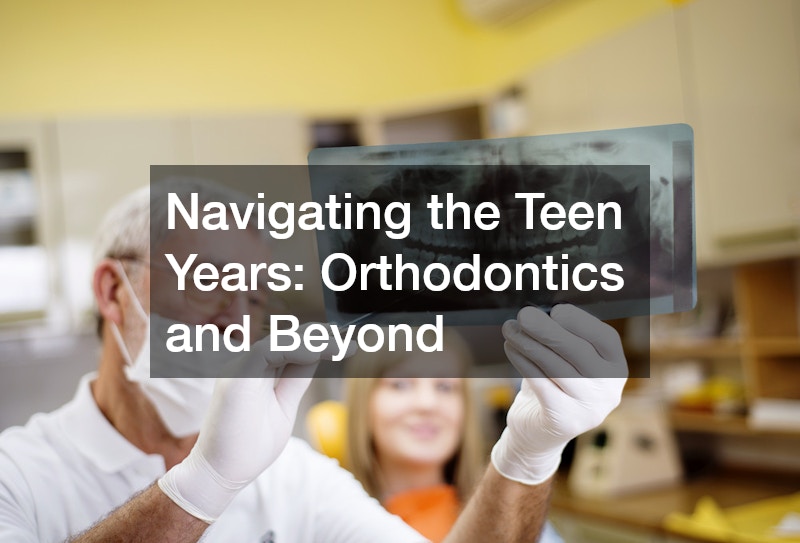
As children transition into adolescence, their oral cavities undergo a massive growth spurt. By the early teenage years, most permanent teeth have erupted, and the jaw structure is nearing its adult size. This stage frequently highlights alignment issues, crowding, or malocclusions that were not fully apparent during early childhood. Correcting these issues is not merely about visual appeal; properly aligned teeth are significantly easier to clean, which reduces the risk of decay and gum disease over time. Furthermore, a well-aligned bite prevents uneven wear on tooth enamel and reduces stress on the temporomandibular joint, protecting the teenager from chronic jaw pain and complex bite problems later in life. Hormonal shifts during puberty can also increase blood flow to the gums, making adolescents more susceptible to mild inflammation or gingivitis, which requires vigilant home care.
For many teenagers, traditional metal braces can feel like a social hurdle, causing them to feel self-conscious during a time when peer perception matters immensely. Fortunately, modern advancements offer more subtle options that fit seamlessly into a busy high school lifestyle. Seeking advice from a qualified local Invisalign dentist allows families to explore clear aligner systems that correct alignment issues discreetly. These removable trays make it easier for teenagers to maintain excellent hygiene because they can brush and floss without navigating wires and brackets. Beyond alignment, the adolescent years bring changes in lifestyle, including participation in competitive sports and shifts toward more independent dietary choices, such as increased consumption of acidic beverages or sugary snacks. It becomes vital to protect their smiles with custom-made athletic mouthguards and to monitor the development of wisdom teeth, which usually begin to emerge in the late teens. Every preventive treatment or corrective therapy provided during this stage represents a vital dental service that safeguards the structural integrity of the adult smile before the individual enters corporate or university life.

Adult Aesthetics and Confidence Boosters
Adult Aesthetics and Confidence Boosters

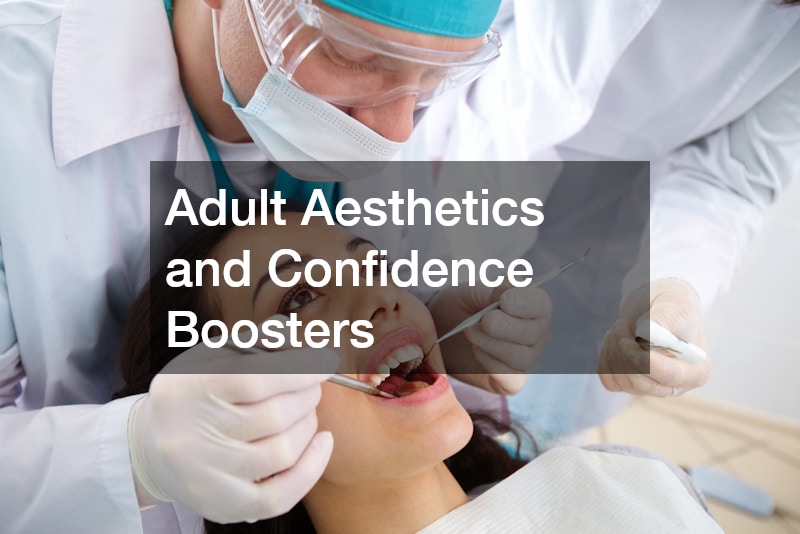
Once an individual reaches adulthood, the focus of oral health often shifts from growth and alignment toward maintenance, stain management, and structural preservation. Even with diligent brushing and flossing, adult teeth are exposed to decades of wear, micro-fractures, and staining agents like coffee, tea, red wine, and certain acidic foods. Over time, the outer enamel layer can naturally thin, revealing the yellower dentin underneath. Everyday stress can also manifest as unconscious teeth grinding or clenching, known as bruxism, which flattens the biting surfaces and strains the facial muscles. For many adults, these subtle changes can lead to a loss of confidence, causing them to hold back their smiles during professional meetings or social gatherings. This is where the intersection of oral health and personal confidence becomes most apparent.
Fortunately, individuals do not have to accept a dulled or worn smile as an inevitable consequence of aging. The field of cosmetic dentistry offers a wide array of conservative, highly effective treatments designed to restore the youthful vibrancy of the teeth while preserving natural tooth structure. One of the most popular and accessible options within this realm is professional teeth whitening, which utilizes prescription-strength brightening agents to break up deep-seated stains safely and effectively. Unlike over-the-counter options, which can cause uneven results or severe tooth sensitivity, professional treatments are carefully monitored to protect the surrounding gum tissue. For more extensive concerns, such as chipped edges, visible gaps, or stubborn intrinsic discoloration, adults can explore options like porcelain veneers or composite bonding. These treatments do more than just improve appearances; they reinforce worn surfaces, restore proper bite mechanics, and provide an immense psychological boost that impacts an individual’s personal and professional interactions.

Unexpected Crises: Preparing for Urgent Oral Issues
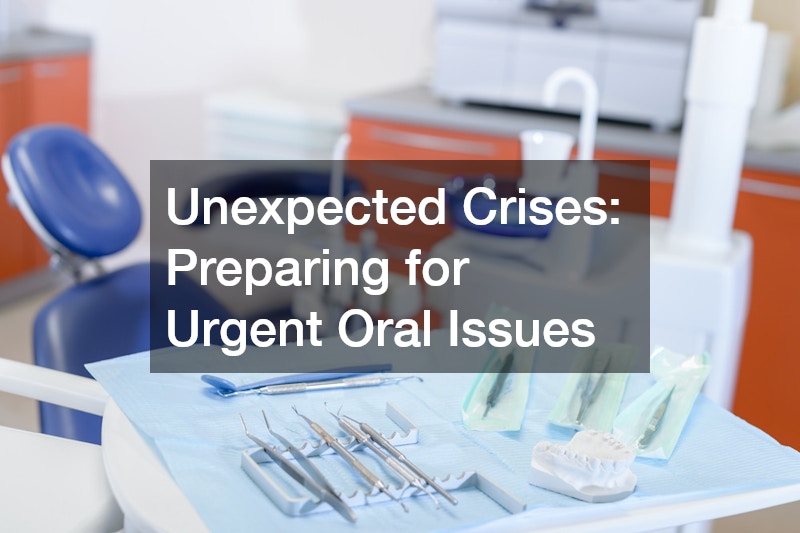
Unexpected Crises: Preparing for Urgent Oral Issues

Even the most meticulous preventive care routine cannot completely shield an individual from the unpredictable nature of life. Accidents happen, whether it is a slip on an icy sidewalk, a sports injury, or a sudden, severe toothache that strikes in the middle of the night. When an unexpected oral crisis occurs, knowing how to react can mean the difference between saving a tooth and losing it permanently. Many people make the mistake of heading directly to a hospital emergency room for oral issues, but emergency rooms are rarely equipped with the specialized tools or staff needed to treat structural tooth problems; they typically only provide temporary pain relief or antibiotics.
To handle these situations effectively, families must have a clear plan for addressing a local dental emergency without delay. Common crises include knocked-out teeth, severe fractures, loose restorations, or acute throbbing pain that indicates a deep underlying infection. For instance, if a permanent tooth is completely knocked out, keeping it moist in a container of milk or saliva and reaching a clinic within an hour gives the tissues the best chance of successful reattachment. Soft tissue lacerations to the tongue or inner cheek also require prompt attention; applying firm, steady pressure with clean gauze can control bleeding until a professional can evaluate the injury. Having a direct line to a responsive local provider ensures that patients receive immediate guidance and prompt scheduling. Addressing these issues swiftly eliminates agonizing pain and prevents localized infections from spreading into the bloodstream or affecting adjacent teeth. A prepared household understands that a rapid, localized clinical response is the most reliable way to navigate a sudden oral crisis safely.

Golden Years: Restorative Solutions for Seniors

As life progresses into the senior years, the oral cavity faces a new set of complex physiological challenges. Decades of chewing, natural changes in bone density, and the side effects of various medical treatments can take a cumulative toll on oral health. One of the most common issues faced by older adults is chronic dry mouth, often caused by prescription medications. Saliva is the mouth’s natural defense mechanism, neutralizing acids and washing away food particles; a lack of adequate saliva production drastically accelerates the rate of tooth decay and gum disease. Additionally, seniors are at a higher risk for periodontal disease, which can lead to tissue recession and bone loss around the roots of the teeth.
When tooth loss does occur, it impacts far more than just visual aesthetics. Missing teeth can severely compromise an individual’s ability to chew nutrient-dense foods, potentially leading to dietary deficiencies and systemic digestive issues. It can also cause the remaining teeth to shift out of alignment, creating difficult-to-clean spaces that harbor bacteria. Furthermore, the absence of natural tooth roots causes the surrounding jawbone to reabsorb over time, altering facial structure and giving the lower face a sunken appearance. To address these challenges, modern restorative treatments offer highly sophisticated solutions, including custom-fabricated dentures that look, feel, and function like natural teeth. Unlike the heavy, slipping prosthetics of past generations, today’s options utilize lightweight, biocompatible materials that conform precisely to the unique contours of the senior patient’s mouth. Whether an individual requires partial options to bridge small gaps or complete sets anchored by dental implants, these modern appliances restore full chewing capacity, support clear speech, and maintain the natural structural shape of the face.

Finding Your Long-Term Care Partner

Navigating the distinct stages of oral health requires more than just a series of disconnected appointments with various providers. It requires a long-term partnership with a dedicated practice that understands how a person’s childhood history affects their adult smile, and how adult choices influence their senior wellness. Continuity of care ensures that every treatment, from a simple childhood filling to advanced adult restorations, is performed with an understanding of the patient’s unique physiological background, lifestyle preferences, and long-term goals.
Choosing the right provider is an investment in your family’s lifelong wellness. The ideal practice is one that balances technical expertise with a compassionate, patient-centered approach, creating an environment where every member of the household feels safe, heard, and respected. When evaluating potential clinics, families should look for comprehensive service offerings, positive community feedback, and a clear dedication to utilizing modern, patient-friendly technology. Reviewing patient testimonials and asking detailed questions about emergency protocols during an initial consultation can provide peace of mind. Investing in consistent, high-quality preventive care not only protects your family’s well-being but also minimizes unexpected medical expenditures over time. Finding the best dentist for your needs means securing a dependable advocate who will guide you through every milestone, protect you during unexpected crises, and help you maintain a confident, healthy smile for decades to come.