

Maintaining optimal oral health requires consistent effort, educated choices, and reliable medical support. When individuals search for oral healthcare options, practice proximity and culture play significant roles in long-term outcomes. Establishing a relationship with a nearby practice ensures that routine visits remain simple and stress-free.
Finding a trusted local dental clinic creates a central hub for every member of the household. Instead of traveling long distances or coordinating with multiple specialized offices, households benefit immensely from having a primary provider nearby. Proximity encourages consistency. When travel time is minimal, patients are far less likely to delay routine checkups or ignore minor discomfort.
Neighborhood local dentists often build strong ties within their communities. They understand the specific demographics they serve, offer personalized attention, and foster welcoming environments that alleviate common anxieties associated with oral treatments. A neighborhood practice treats patients as neighbors rather than simple appointment slots. This personal connection creates trust, which proves essential when complex procedures or urgent treatments become necessary. Over time, consistent visits yield a comprehensive record of oral health history, making early detection of issues far more reliable.
Simplified Healthcare Through All-Ages Dental Care
Managing healthcare schedules for multiple family members can easily become overwhelming. Young children, teenagers, adults, and seniors all possess distinct oral health requirements. Children require gentle guidance, cavity prevention, and monitoring of jaw development. Adults often focus on gum maintenance, cavity repairs, and cosmetic enhancements. Older adults frequently address tooth preservation, restorative work, or tooth replacement options.
Selecting a dedicated family dentist streamlines this process by bringing every generation under one roof. A practice equipped to treat patients of all ages offers remarkable convenience for busy households. Block scheduling allows parents to arrange consecutive visits for several family members on the same day, saving valuable time and reducing transportation logistics.
Beyond convenience, comprehensive practice models offer continuity of care. As children grow into adulthood, they do not need to transition to a new practitioner unfamiliar with their medical background. The dental team maintains a complete, continuous history of structural growth, previous treatments, and behavioral habits. This long-term familiarity allows practitioners to anticipate potential complications, tailor preventive measures, and establish comfortable routines that reduce anxiety for nervous patients. A multi-generational approach turns healthcare into a familiar, reassuring habit.
The Importance of Preventive Care and Routine Checkups

Preventive dentistry forms the foundation of lifelong oral wellness. Waiting until severe pain occurs before seeking professional help almost always leads to more invasive, costly procedures. Regular checkups allow professionals to identify minor structural changes, early decay, and subtle signs of gum inflammation long before they evolve into major concerns.
During a comprehensive dental exam, practitioners conduct detailed evaluations of teeth, gums, jaw joints, and soft tissues. They utilize modern imaging technology to spot decay hidden between teeth or under existing restorations. Professional cleanings performed during these visits eliminate hardened plaque, known as tartar, which regular brushing and flossing cannot remove at home. These visits also include oral cancer screenings, offering critical early detection that can prove life-saving.
Establishing a routine schedule for preventive care requires consistent planning. Patients should aim to book a routine dental appointment every six months. Consistent evaluations ensure that minor issues receive immediate, minimally invasive interventions like fluoride treatments or small fillings. Periodic visits also give hygienists an opportunity to offer customized advice regarding home hygiene habits, nutritional impacts on tooth enamel, and proper brushing techniques tailored to each individual.
Preparedness for Unexpected Dental Emergencies
Dental crises rarely happen at convenient times. Severe toothaches, cracked enamel from sports injuries, knocked-out teeth, or sudden soft tissue infections can occur during evenings, weekends, or busy workdays. Knowing how a clinic handles these sudden situations is a crucial factor when choosing a regular dental provider.
Prompt access to emergency dental care can mean the difference between saving and losing a natural tooth. When evaluating potential clinics, patients should inquire about after-hours protocols, same-day scheduling availability, and emergency contact methods. A clinic prepared for sudden trauma keeps designated time slots open in its daily schedule to accommodate urgent walk-in or call-in cases.
Beyond scheduling, effective urgent treatment relies on rapid diagnostics and compassionate pain management. A patient experiencing intense pain or structural oral trauma needs swift, organized action to control inflammation, stop bleeding, and prevent infection from spreading. Knowing that a local clinic possesses the tools and availability to treat urgent issues provides tremendous peace of mind. Families can rest easier knowing that if an accident occurs on the playground or at work, professional help is readily accessible nearby without requiring long waits in hospital emergency rooms.
Structural Repair and Functional Restoration
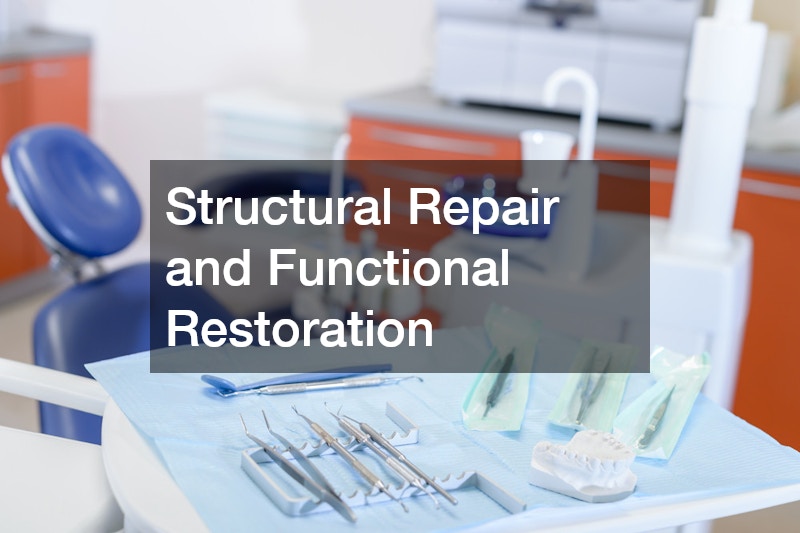
Even with diligent home brushing and routine cleanings, teeth can suffer damage from physical trauma, deep decay, or structural wear over time. When natural tooth structure is compromised, functional treatment becomes necessary to restore full chewing capability, speech clarity, and structural balance within the jaw.
Modern restorative dentistry focuses on preserving as much of the natural tooth structure as possible while renewing health and stability. Treatments within this field include tooth-colored fillings, custom crowns, bridges, and inlay or onlay restorations. Advanced materials like durable dental porcelain and composite resins allow modern treatments to blend seamlessly with surrounding natural enamel while providing impressive strength.
Addressing broken, weak, or decayed teeth promptly prevents secondary complications. A compromised tooth can alter a person’s bite mechanics, putting excessive strain on surrounding teeth and the jaw joint. Left unaddressed, cavities create environments where bacterial infections can penetrate deeper into the tooth pulp, potentially requiring root canal therapy or extraction. Selecting a clinic that emphasizes durable, modern restorative procedures ensures that damaged teeth receive effective repairs that stand up to daily biting pressures. Clinicians protect overall oral alignment and maintain the natural contours of the mouth.
Advanced Permanent Solutions for Missing Teeth
Tooth loss affects far more than just visual confidence. Missing teeth impact proper chewing, alter speech, and lead to progressive jawbone resorption over time. When a natural tooth root is missing, the underlying bone structure slowly shrinks due to a lack of physical stimulation. Advanced tooth replacement techniques address this issue directly by replicating both root and crown.
Many patients seeking permanent solutions look for affordable dental implants to restore their smiles without exceeding reasonable financial boundaries. Implants consist of small titanium posts surgically inserted into the jawbone, where they integrate naturally with surrounding bone tissue. Once integrated, these posts serve as rock-solid anchors for custom crowns, bridges, or specialized fixed prosthetics. Unlike traditional bridges, implants do not require reducing neighboring healthy teeth for support.
Choosing a clinic that provides complete implant services requires reviewing the clinician experience, surgical imaging tools, and flexible financial plans. High-quality practices utilize three-dimensional imaging to plan implant placements with extreme precision, maximizing success rates and minimizing recovery time. When implemented properly, implant solutions look, feel, and function almost identically to natural teeth, offering patients a long-lasting remedy that preserves jaw structure and overall alignment.
Comprehensive Removable and Fixed Prosthetic Options
For individuals missing multiple teeth or entire dental arches, removable or hybrid prosthetics remain popular, effective options for restoring oral function. Modern removable appliances have advanced significantly, offering far greater comfort, stability, and aesthetic appeal than older generations of prosthetics.
A clinic offering complete denture services provides comprehensive evaluations to determine the best approach for each unique patient. Options range from traditional full or partial removable dentures to implant-supported partials and overdentures. Modern materials allow technicians to craft natural-looking acrylic bases and porcelain teeth that mimic authentic gum tones and dental contours, ensuring a pleasing visual outcome.
Proper customization and precise fitting are vital when creating removable prosthetics. Poorly fitted appliances can cause sore spots, difficulty chewing, and speech slip-ups. A quality clinic takes detailed impressions, precise bite measurements, and offers ongoing adjustment appointments to ensure maximum comfort. Beyond initial fitting, staff members educate patients on proper cleaning techniques, overnight care, and routine maintenance to preserve prosthetic longevity and maintain optimal gum health underneath the appliances. Modern removable devices help patients smile, speak, and enjoy meals with renewed self-assurance.
Enhancing Smile Aesthetics Safely and Skillfully
While health and functionality are fundamental, visual appearance plays a major role in self-confidence. A bright, symmetrical smile can enhance social interactions and boost self-esteem. As cosmetic treatments become increasingly popular, many patients seek treatments designed specifically to improve tooth color, shape, alignment, and balance.
Experienced cosmetic dentists blend artistic vision with clinical skill to craft balanced, natural-looking aesthetic upgrades. Popular aesthetic procedures include professional teeth whitening, custom porcelain veneers, clear orthodontic aligners, and subtle composite bonding. Rather than applying a one-size-fits-all approach, skilled practitioners assess facial symmetry, skin tone, and lip lines to design individualized smile enhancements that look authentic.
When choosing a practice for aesthetic improvements, reviewing before-and-after photo portfolios and discussing treatment philosophy is essential. Reliable local dentists ensure that underlying health concerns, such as active decay or gum inflammation, are fully resolved before starting aesthetic enhancements. Combining foundational health with artistic refinement ensures that cosmetic changes remain durable, comfortable, and beautiful over time. Clear communication allows practitioners to outline options, timeline expectations, and maintenance care required to preserve stunning cosmetic results.
Assessing Technology, Atmosphere, and Staff Expertise

Selecting the ideal dental provider involves evaluating more than just proximity and listed services. The overall atmosphere, modern technology, and staff qualifications significantly influence patient comfort and treatment outcomes. A welcoming environment can turn anxiety-inducing visits into pleasant, predictable experiences.
Modern clinics invest heavily in advanced diagnostic technology to improve diagnostic accuracy and patient comfort. Digital X-rays reduce radiation exposure compared to traditional film, while intraoral cameras allow patients to view real-time images of their teeth on screen. Intraoral digital scanners eliminate messy impressions, creating precise 3D digital models for crowns, aligners, and implants. Modern laser tools also allow clinicians to perform soft tissue procedures with minimal discomfort and accelerated healing times.
Equally important is the clinical team’s commitment to continuing education and patient communication. When consulting a potential family dentist, patients should feel free to inquire about staff certifications, hygiene standards, and pain management strategies. Confirming that the practice can handle unexpected urgent situations like emergency dental care provides confidence that the clinic can manage unexpected challenges. Friendly staff, clear fee estimates, and clean, comfortable waiting rooms all signal a practice that respects patient well-being. When team members explain procedures thoroughly, patients feel empowered to make informed choices.
Scheduling, Financial Considerations, and First Visits
Practical administrative factors often determine whether a patient maintains consistent dental visits. Flexible scheduling, transparent pricing, and straightforward insurance processing make managing oral health much simpler for busy households.
Before booking an initial visit, inquiring about business hours, late-afternoon availability, and weekend options can prevent future scheduling conflicts. A top-tier local dental clinic works with patients to accommodate busy work routines and school calendars. Financial transparency is equally critical. Practices should offer clear cost breakdowns before initiating non-emergency procedures, outline accepted insurance plans, and provide flexible financing options or in-house discount membership plans for uninsured patients.
The initial visit serves as an ideal opportunity to gauge practice compatibility. During a first-time dental exam, observe how well clinicians listen to concerns, explain diagnostic findings, and address personal comfort preferences. Parents should notice how gentle staff members are with children, while adult patients should feel respected and heard when asking questions. An organized, friendly clinic setting makes long-term care management effortless and enjoyable. Modern online booking systems and digital patient portals streamline communication, allowing individuals to confirm appointment details and complete medical history forms with ease.
Making an Informed Choice for Long-Term Oral Health
Finding the right dental care team is an investment in your family’s lifelong health, comfort, and confidence. By taking time to evaluate potential clinics based on location, service range, clinical technology, and patient communication style, households can establish a trusted healthcare home for years to come.
A quality provider offers a balance of preventive maintenance, emergency readiness, and specialized treatments under one roof. Whether a family member needs a routine checkup, functional restorative work, aesthetic enhancement, or tooth replacement solutions, having an established relationship with a reliable practice makes every step of the process smoother and more comfortable.
When you feel ready to take the next step, schedule an initial consultation or a routine dental appointment to experience the clinic environment firsthand. Take note of how the staff interacts, how clean and organized the facility appears, and how thoroughly the dentist answers questions. Establishing a relationship with a caring, highly skilled team transforms dental care from a source of stress into a rewarding partnership focused on health, happiness, and vibrant smiles.