

Modern dentistry offers far more than routine cleanings and cavity fillings. Today’s dental practices offer a comprehensive range of services to improve oral health, restore damaged teeth, replace missing teeth, and enhance smile appearance. Whether someone is seeking relief from discomfort, looking to improve their confidence, or hoping to maintain excellent oral health for years to come, full-service dentistry provides solutions tailored to individual needs.
Cosmetic and restorative dentistry are often discussed separately, but they frequently work together. Restorative treatments focus on repairing or replacing teeth and supporting structures, while cosmetic procedures improve the appearance of the smile. When combined within a comprehensive treatment plan, these services can help patients achieve healthier, stronger, and more attractive smiles.
Understanding the available treatment options is an important first step in making informed decisions about oral health. From preventive care and pediatric services to advanced restorative procedures and smile enhancements, comprehensive dental care allows patients to address both immediate concerns and long-term goals.
Identify Functional And Cosmetic Concerns Early
Every successful dental treatment begins with a thorough evaluation. Before recommending cosmetic improvements or restorative procedures, dentists assess the overall condition of the teeth, gums, jaw, and bite. This comprehensive approach helps identify existing problems and uncover issues that may not yet be causing symptoms.
Many patients focus primarily on visible concerns such as discoloration, chipped teeth, or gaps in their smiles. However, these cosmetic issues are sometimes linked to underlying problems such as tooth decay, gum disease, bite misalignment, or worn enamel. Treating only the visible symptoms may provide temporary relief, but addressing the root cause often leads to more predictable, lasting results.
Modern dental technology enables providers to gather detailed information during the examination. Digital X-rays, intraoral cameras, and advanced imaging systems help reveal concerns that might otherwise go unnoticed. This information enables dentists to create customized treatment plans that address both health and appearance.
Create A Treatment Roadmap Based On Priorities
Once a comprehensive evaluation is complete, the next step is developing a personalized treatment roadmap. Not every issue requires immediate attention, and treatment plans are often organized according to urgency and overall goals.
Most dentists recommend addressing active disease or structural concerns before beginning cosmetic treatments. For example, treating decay, repairing damaged teeth, or improving gum health typically takes priority over aesthetic procedures. Establishing a healthy foundation allows future treatments to function properly and last longer.
A treatment roadmap also helps patients understand what to expect throughout the process. By outlining timelines, procedures, and expected outcomes, dental professionals can help individuals make informed decisions about their care. This collaborative approach often results in greater satisfaction and better long-term results.
Protect Teeth Before Major Treatment Begins
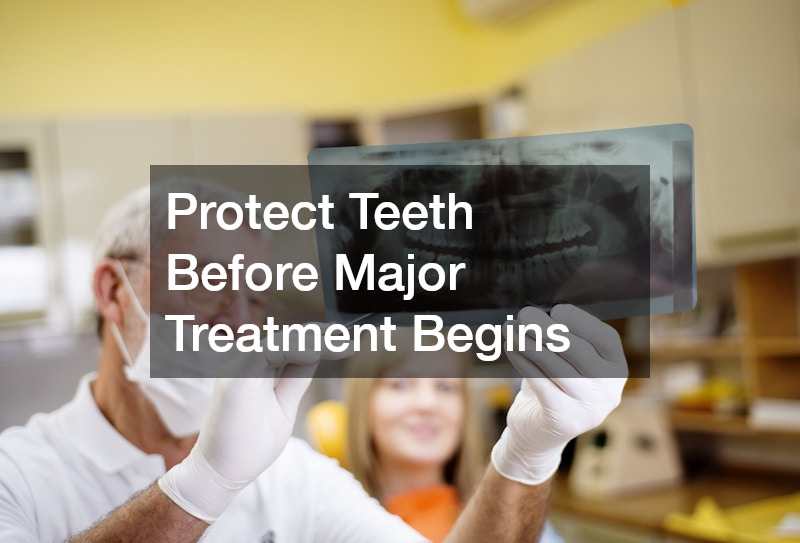
Preventive care is the cornerstone of long-term oral health. Whether a patient is interested in cosmetic improvements or restorative procedures, maintaining healthy teeth and gums is essential for lasting success.
Routine preventive services help identify and address problems before they become serious. Professional cleanings remove plaque and tartar that cannot be eliminated through brushing and flossing alone, while regular examinations allow dentists to monitor changes and recommend treatment when necessary.
Many patients also benefit from fluoride treatment as part of their preventive care routine. This service helps strengthen tooth enamel and reduce the risk of cavities by making teeth more resistant to acid attacks caused by bacteria and food particles. Although often associated with children, fluoride treatment can also be beneficial for adults who are prone to decay or have certain risk factors.
Patients can support professional preventive care through healthy habits at home, including:
- Brushing twice daily with fluoride toothpaste
- Flossing every day
- Limiting sugary snacks and beverages
- Drinking water throughout the day
- Scheduling routine dental visits
These simple practices can significantly reduce the likelihood of future dental problems and help preserve the results of cosmetic and restorative treatments.
Know When To Seek Specialized Pediatric Care
Children have unique oral health needs that change as they grow and develop. Regular visits with a pediatric dentist allow dental professionals to monitor development, provide preventive care, and address concerns before they become more complex.
Unlike general dental providers, a pediatric dentist receives specialized training focused on children’s oral health, behavior management, and developmental milestones. These professionals understand how to create positive dental experiences that help young patients feel comfortable and confident.
Regular pediatric visits also provide opportunities to educate parents about proper brushing techniques, nutrition, injury prevention, and developmental expectations. Establishing strong oral health habits early in life often contributes to healthier smiles throughout adulthood.
Recognize When Surgical Intervention May Be Necessary
While many dental concerns can be addressed with relatively simple procedures, some situations require more advanced treatment before cosmetic improvements can begin. Structural issues affecting the teeth, jaw, or supporting bone may need to be corrected to ensure long-term success.
Oral surgery is often recommended when underlying conditions interfere with oral health or function. Common reasons for surgical treatment include impacted teeth, severe tooth damage, jaw abnormalities, and preparation for restorative procedures. In some cases, removing a problematic tooth may be the best option for preserving overall oral health.
Many patients feel anxious when they hear the term oral surgery, but modern techniques have made procedures significantly more comfortable than in the past. Advanced imaging, improved anesthesia options, and minimally invasive approaches help reduce discomfort and promote faster recovery.
Correct Developmental Issues During Childhood
Children’s mouths and jaws undergo significant changes as they grow. Identifying developmental concerns early can help prevent more serious problems later in life.
One common approach is early interceptive orthodontics, which focuses on guiding jaw growth and tooth development during childhood. Rather than waiting until all permanent teeth have erupted, dentists and orthodontists may recommend treatment when a child is still developing.
This proactive approach can address concerns such as:
- Crowding
- Bite irregularities
- Jaw alignment issues
- Harmful oral habits
- Improper tooth eruption patterns
By intervening at the appropriate stage of development, dental professionals may reduce the need for more extensive treatment later and support healthier long-term outcomes.
Compare Fixed And Removable Tooth Replacement Options
Missing teeth affects more than appearance. They can interfere with chewing, speech, bite function, and overall oral health. Fortunately, modern restorative dentistry offers several effective options for replacing missing teeth and restoring function.
One solution for patients missing multiple teeth is custom dentures. Unlike generic appliances, custom dentures are designed specifically for the individual patient’s anatomy and needs. This personalized approach often results in improved comfort, appearance, and functionality.
Today’s dentures look more natural than ever before and are available in various styles depending on the extent of tooth loss. Advances in materials and design have significantly improved stability and aesthetics, allowing patients to smile and eat with greater confidence.
Evaluate Long-Term Stability And Function
Among modern tooth replacement options, dental implants are widely considered one of the most durable and natural-feeling solutions available. Unlike removable appliances, implants replace both the visible portion of the tooth and the underlying root structure.
Patients researching dental implants in Vineland, NJ, often appreciate the long-term benefits associated with implant-supported restorations. Because implants integrate directly with the jawbone, they help preserve bone density while providing excellent stability and function.
Many patients find that implants allow them to eat, speak, and smile with confidence. With proper care, implants can last for many years and often require less maintenance than some alternative treatment options.
Not everyone is an immediate candidate for implant treatment. Factors such as bone volume, gum health, medical history, and lifestyle habits may influence eligibility. A thorough consultation helps determine whether implants are the right choice for a particular patient.
Combine Multiple Treatments For More Dramatic Results
Many patients seeking cosmetic improvements have more than one concern they would like to address. In these situations, combining multiple treatments often produces the most comprehensive and satisfying results.
A smile makeover is a customized treatment plan that combines cosmetic and restorative procedures to enhance the smile’s appearance. Rather than focusing on a single issue, this approach evaluates how different elements work together to create balance and harmony.
A smile makeover may address concerns such as discoloration, uneven teeth, spacing issues, worn enamel, and minor alignment problems. Because every patient has unique goals, treatment plans are highly personalized.
One of the greatest benefits of a comprehensive cosmetic approach is that improvements can be designed to complement facial features, oral health needs, and long-term objectives. The result is often a smile that looks both attractive and natural.
Restore Strength While Enhancing Natural Appearance
Restorative dentistry and cosmetic dentistry frequently overlap. Many treatments that repair damaged teeth also improve their appearance, making them an excellent option for patients seeking both function and aesthetics.
Patients considering dental crowns in Millville, NJ, often do so because crowns can restore strength while maintaining a natural appearance. Crowns are commonly used to protect weakened teeth, repair extensive damage, and support teeth following certain procedures.
Modern crowns are available in materials that closely resemble natural enamel in both color and translucency. This allows restorations to blend seamlessly with surrounding teeth while providing excellent durability.
When evaluating restorative options, patients should consider factors such as longevity, maintenance requirements, and appearance. Working closely with a dental professional helps ensure that the chosen treatment aligns with both functional and cosmetic goals.
Watch For Warning Signs Of Periodontal Disease
Healthy gums provide the foundation that supports teeth and restorative work. Unfortunately, many patients underestimate the importance of gum health until symptoms become severe.
Periodontal disease often develops gradually, making regular dental examinations especially important. Early symptoms may include bleeding gums, redness, swelling, or persistent bad breath. As the condition progresses, patients may experience gum recession, loose teeth, and bone loss.
Ignoring these warning signs can jeopardize both natural teeth and restorative treatments. Gum disease is one of the leading causes of tooth loss in adults and can significantly impact overall oral health.
Consistent oral hygiene practices, professional cleanings, and prompt treatment are essential for preventing periodontal disease and protecting long-term dental investments.
Work With Specialists To Protect Long-Term Oral Health
Some cases of gum disease require specialized care beyond routine cleanings and preventive services. In these situations, referral to a periodontal specialist may be recommended.
Patients seeking care from a periodontist in Monroe, CT, often receive advanced treatments designed to manage gum disease, restore supporting structures, and preserve oral health. These specialists focus specifically on conditions affecting the gums and bone that support the teeth.
Advanced periodontal treatment may include deep cleanings, gum grafting procedures, regenerative therapies, and maintenance programs. Addressing gum disease early can help prevent complications and improve the long-term success of restorative and cosmetic treatments.
Patients should not hesitate to ask questions about their diagnosis, treatment options, and maintenance requirements. Understanding the condition and treatment process often leads to better outcomes and greater confidence.
Reduce Fear And Improve Treatment Experiences
Dental anxiety is a common concern affecting both children and adults. Fear of discomfort, negative past experiences, or uncertainty about procedures can discourage patients from seeking necessary care.
Creating a comfortable environment is an important part of comprehensive dentistry. Many practices use patient-centered approaches that focus on education, communication, and comfort throughout the treatment process.
When patients understand what to expect, they often feel more relaxed and willing to proceed with recommended care. Open communication allows dental teams to address concerns and develop strategies that improve the overall experience.
Consider Comfort-Focused Treatment Options
For some patients, additional support during treatment may be beneficial. Comfort-focused approaches can help reduce anxiety and make dental visits more manageable.
One option that some families explore is sedation dentistry for kids. This approach may be recommended for children who experience significant anxiety, require extensive treatment, or have difficulty remaining comfortable during procedures.
When administered appropriately, sedation can help create a more positive experience for both children and parents. Dental teams carefully evaluate each patient’s needs and medical history before recommending this type of treatment.
Compare Immediate Expenses With Long-Term Benefits
When considering cosmetic and restorative treatment, cost is often an important factor. While some procedures require a larger initial investment, they may provide significant long-term benefits that justify the expense.
Patients should evaluate treatment options beyond upfront costs. Durability, maintenance requirements, functionality, and potential future expenses should all be considered when making decisions.
Investing in high-quality treatment may reduce the likelihood of future repairs or replacements, potentially saving money over time. A comprehensive consultation can help patients understand the full value of each option.
Ask Questions Before Committing To Treatment
Making informed decisions begins with asking the right questions. Patients should feel comfortable discussing all aspects of their treatment plan with their dental provider before proceeding.
Important topics to discuss include expected outcomes, treatment timelines, maintenance requirements, financing options, and alternative approaches. Understanding these details helps patients feel more confident and prepared.
The most successful dental experiences occur when patients and providers work together to establish realistic expectations and shared goals.
Full-service cosmetic and restorative dentistry offers a comprehensive approach to improving oral health, function, and appearance. By combining preventive care, restorative procedures, specialty services, and cosmetic treatments, dental professionals can address a wide range of concerns while supporting long-term oral wellness.
Every patient has unique needs and goals, which is why personalized treatment planning is so important for achieving successful outcomes. Whether the focus is on maintaining healthy teeth, replacing missing teeth, correcting structural issues, or enhancing aesthetics, comprehensive dental care provides solutions that can improve both confidence and quality of life.
Taking a proactive approach to oral health allows patients to address concerns early, preserve their natural teeth whenever possible, and enjoy lasting results. Scheduling a consultation with an experienced dental provider is the best way to explore available options and develop a treatment plan tailored to individual needs.