

Managing oral health is a dynamic, lifelong process that continuously evolves alongside an individual’s changing physical needs over time. Far too often, people view dental appointments as isolated, reactionary events triggered only by sudden discomfort or structural damage. This fragmented and unpredictable approach frequently leads to unexpected, high-dollar invoices that can heavily strain a household financial plan. This foresight allows heads of households to navigate shifting economic landscapes with complete confidence. A far more sustainable and practical option is to look at oral care as a continuous timeline stretching from early childhood through the senior years. By anticipating specific milestones and fully understanding the typical costs associated with each stage of life, families can build a predictable, manageable budget. This strategic planning involves carefully analyzing employer-sponsored benefits, setting up dedicated personal savings, and learning how to maximize standard coverage options effectively. Navigating the world of standard health insurance is often the primary foundation for most families, but truly mastering a lifetime dental budget requires a deeper knowledge of clinical requirements, back-end administrative hurdles, and the actual economics of modern clinical care. When individuals proactively take control of this financial narrative early on in life, they can completely eliminate the stress of sudden out-of-pocket costs and ensure that every family member enjoys a healthy smile without compromising financial stability.
Early Childhood and the Foundation of Preventive Care
Establishing strong oral hygiene habits during infancy and early toddlerhood is the single most effective way to protect a child’s future oral health. Long before permanent adult teeth begin to emerge naturally, the condition of the primary teeth determines jaw alignment, proper speech development, and the overall health of the gum tissue. Initial visits to a clinical setting are designed to monitor developmental milestones, evaluate fluoride exposure, and provide practical education for parents on cleaning delicate primary structures. During these initial appointments, clinical teams look closely at how the jawbones are forming. Introducing young children to these environments early helps remove the anxiety commonly associated with clinical visits, replacing it with comfort and familiarity. Selecting a qualified pediatric dentist during these formative years ensures that the child receives care from a professional uniquely trained in youth behavioral psychology and early oral development. From a practical financial perspective, these routine, early childhood evaluations are highly cost-effective and are frequently fully covered by preventative care frameworks. By investing in regular, low-cost maintenance checks during early childhood, parents can avoid severe developmental complications, such as early childhood caries, which can cause premature tooth loss and lead to significantly more expensive, invasive corrective procedures later in life.
Navigating Adolescent Growth and Orthodontic Alignments
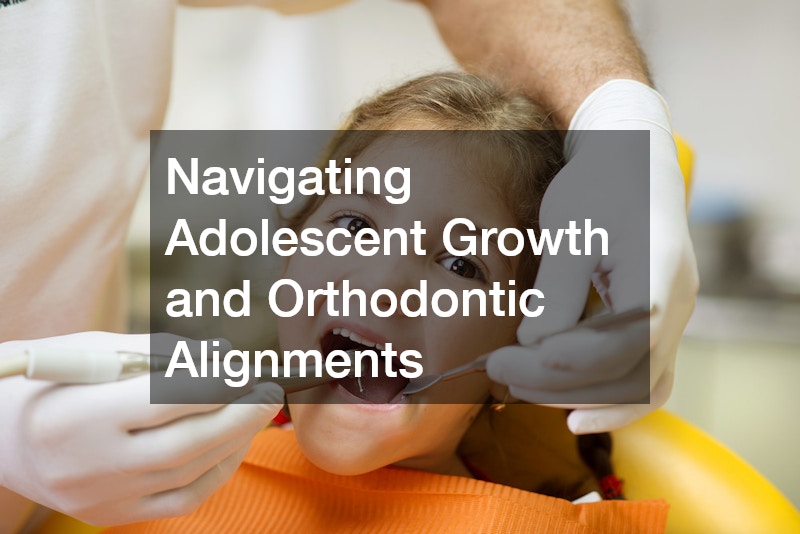
As children enter their pre-teen and teenage years, the primary structural focus shifts toward jaw development and the precise alignment of the permanent teeth. This developmental phase represents a crucial window of opportunity, as the facial bones are still growing and remain malleable enough to correct complex bite patterns efficiently. Crooked teeth or misaligned bites can cause noticeable chewing difficulties and social anxiety during fragile developmental years. For many households, this stage introduces the largest single oral health expense they have encountered so far on their family timeline. Initial orthodontic screenings are generally recommended around the age of seven, providing parents with a generous buffer of several years to prepare financially before any actual structural adjustments begin. Securing dependable and affordable braces becomes a central priority for parents who are simultaneously managing the rising expenses of an active, growing household. Fortunately, the vast majority of modern orthodontic practices recognize this financial reality and provide a variety of flexible, interest-free payment terms that distribute the total expense across the entire duration of the corrective treatment. In addition to basic payment plans, many specialized benefit riders offer unique lifetime orthodontic maximums that significantly reduce out-of-pocket obligations, allowing families to prioritize essential developmental alignment without derailing their broader long-term savings goals.
Selecting a Long-Term Family Dental Practice
Once the permanent teeth have fully emerged and any adolescent orthodontic corrections are finalized, individuals enter a long, steady phase of adult oral maintenance. This stage of life spans several decades and requires a consistent relationship with a general practitioner who can oversee routine scaling, deep cleanings, diagnostic imaging, and minor restorative interventions. Consistency during these adult years is the most reliable defense against major structural decline and high-cost procedures. Patients benefit from knowing their practitioner understands their complete medical background and anxiety triggers. Developing a long-term partnership with trusted dentists who possess an intimate knowledge of a patient’s historical records guarantees personalized risk assessments and accurate treatment recommendations. Financially, an established practitioner works transparently with patients to prioritize non-urgent work, allowing individuals to space out treatments across multiple calendar years to stay within annual maximum policy allowances. Regular professional cleanings do far more than simply preserve a bright smile; they serve as a critical defense against systemic issues like periodontal disease, which research continuously links to chronic conditions such as cardiovascular disease and diabetes, making consistent adult care an essential element of total body wellness.
Restorative Dentistry and Structural Upgrades in Adulthood
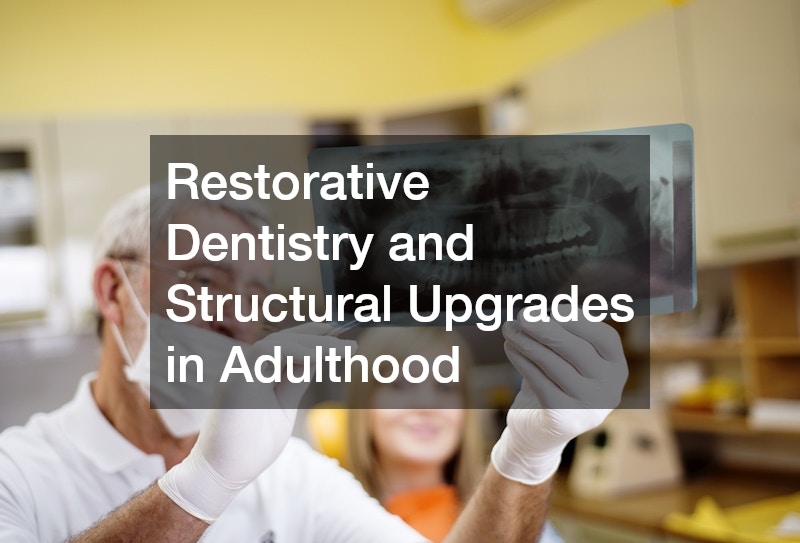
Even with exceptional at-home oral hygiene and regular professional checkups, adult teeth face significant wear, stress, and structural degradation over decades of daily use. Natural aging processes, old restorations that eventually break down, and accidental micro-fractures can leave teeth structurally compromised and highly vulnerable to deeper internal decay. When a tooth experiences a severe crack or an extensive cavity that compromises a large portion of the natural enamel, a standard composite filling is no longer capable of providing adequate structural support. In these situations, advanced restorative techniques are required to protect the remaining tooth structure and preserve the underlying nerve system. Utilizing precision-crafted dental crowns allows practitioners to completely encapsulate a damaged tooth, restoring its original strength, functionality, and aesthetic appearance seamlessly. These protective caps match the exact shade and contours of surrounding teeth, making them completely indistinguishable. Although the initial financial investment required for a custom, lab-fabricated crown can seem substantial, these durable restorations are engineered to last for decades with proper care. By addressing structural degradation early with a permanent cap, patients actively prevent the tooth from splitting entirely, which avoids the far higher costs associated with total extraction, surgical bone grafting, and complex implant replacements.
The Financial Realities of Elective Aesthetic Upgrades
While structural preservation and preventative hygiene form the essential foundation of clinical oral health, aesthetic preferences also represent a highly popular aspect of modern adult care. A bright, uniformly colored smile has a profound impact on an individual’s personal self-esteem, social confidence, and professional interactions. A bright smile often plays a vital role during major milestones like job interviews or weddings. Over extended periods of time, daily habits such as consuming coffee or tea, along with natural changes in enamel density, can cause teeth to take on a dull or yellowed appearance. Many adults look for safe, chemically stable methods to reverse this deep staining without compromising the physical integrity of their underlying tooth structures. Exploring professional teeth whitening systems through an established clinic yields highly predictable, long-lasting results that far surpass the safety and performance profiles of over-the-counter alternatives. Because cosmetic enhancement procedures are classified as entirely elective, they are almost never included in standard corporate benefit packages, meaning patients must fund these treatments completely out of pocket. Budgeting for cosmetic care requires treating these treatments as personal luxury goals, allowing individuals to save gradually or take advantage of clinic-specific seasonal promotions without impacting their primary healthcare funds.
Crisis Management and Navigating Urgent Oral Emergencies
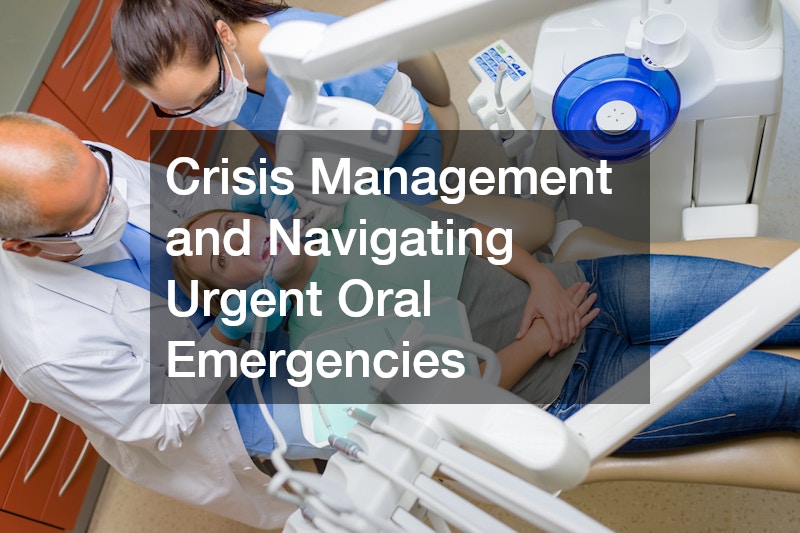
No matter how carefully an individual plans their personal healthcare budget, acute physical emergencies can occur without any advance warning. Sudden sports injuries, unexpected structural fractures caused by hard foods, or rapidly developing infections deep within a root canal can completely disrupt daily routines and demand immediate medical intervention. True crises involve severe, unmanageable throbbing that prevents sleep or structural cracks that expose delicate nerve pathways. During these high-stress situations, having a clear action plan can mean the difference between saving or losing a permanent tooth. Seeking care through an established emergency tooth service ensures that the patient receives rapid diagnostic imaging, immediate pain mitigation, and targeted treatment from clinicians specialized in managing acute oral trauma. Delaying necessary treatment for an urgent issue due to financial hesitation almost always results in severe complications, broader infections, and significantly more expensive surgical procedures later on. From a practical financial perspective, maintaining a dedicated emergency cash buffer specifically for unexpected medical surprises offers incredible peace of mind. Many urgent care clinics feature transparent, flat-rate initial pricing for emergency walk-in assessments, helping patients understand their immediate financial obligations before any complex interventions take place.
Senior Oral Health and Functional Tooth Replacements
As individuals transition into their senior years, their oral health requirements shift once again toward preserving proper nutritional intake, maintaining clear speech, and preventing jawbone degradation. Decades of heavy functional use, changes in natural saliva production due to medications, and shifting bone density can sometimes result in partial or total tooth loss for older adults. Without proper structural stimulation from tooth roots or replacement prosthetics, the jawbone can steadily shrink over time. Replacing missing teeth during this stage of life is a fundamental necessity for sustaining physical vitality and preventing systemic nutritional deficiencies. Modern prosthetic solutions have evolved remarkably, offering options that are drastically more comfortable, biologically compatible, and natural-looking than the appliances used by previous generations. Fabricating high-quality dentures provides seniors with the structural support required to maintain a diverse, nutrient-rich diet while preserving the natural contours of their facial muscles. Financing these sophisticated prosthetic appliances requires careful coordination of retirement savings, supplemental senior insurance policies, and specialized healthcare payment platforms. Investing in a properly engineered, professionally fitted prosthetic system actively prevents accelerated jawbone resorption, ensuring that older adults can enjoy their golden years with maximum physical comfort and personal dignity.
Behind the Scenes: The Supply Chain and Clinic Fees
To develop a truly comprehensive understanding of dental pricing structures, consumers must look beyond the treatment chair and consider the complex back-end operations of a modern clinic. Every specialized instrument, sterile compound, and advanced piece of diagnostic hardware used during a standard procedure carries an inherent operational cost that directly influences consumer pricing. High-quality raw materials must undergo strict quality assurance testing before they ever enter a clinical setting. Dental practices must partner with highly regulated distributors to maintain a constant inventory of essential clinical items, ranging from basic safety equipment to sophisticated lab-manufactured ceramics. The economic realities of the global dental supply chain directly affect the overhead margins of a local community practice. When the manufacturing or logistical costs of these highly specialized materials experience market inflation, clinics must adjust their standard service fees to uphold their strict standards of patient safety and clinical excellence. Patients who recognize this connection can better appreciate why premium materials and cutting-edge digital technologies require a higher initial investment, as these advanced tools produce highly accurate diagnoses and exceptionally durable restorations that save money over time by minimizing failure rates.
The Claims Review Process and Policy Approvals
The final critical element of managing a lifetime oral health budget involves navigating the complex administrative channels that handle insurance billing. Once a practice submits an itemized treatment invoice directly to an insurance corporation, the documentation is subjected to a strict evaluation process. Even a tiny clerical error on an insurance form can result in immediate system rejections. This review is handled by an insurance professional whose primary responsibility is to verify that every clinical code matches the specific limitations outlined in the patient’s active policy. A dedicated claims adjuster carefully cross-references submitted diagnostic X-rays, clinical charts, and structural narratives to determine the exact level of financial coverage the corporation will grant. Because these evaluations are bound by rigid corporate parameters, patients frequently face coverage rejections if a procedure is deemed non-essential or purely cosmetic. Understanding this bureaucratic reality highlights the incredible value of utilizing pre-treatment authorization requests for any major restorative or prosthetic work, giving patients a clear look at their exact out-of-pocket obligations before any treatment begins.
A Comprehensive Strategy for Lifetime Smiles
A comprehensive strategy for lifetime smiles requires combining consistent personal hygiene practices, timely preventative interventions, and strategic financial awareness. By identifying the unique clinical requirements of each distinct developmental stage, from early toddler appointments to senior restorations, families can approach healthcare choices with certainty rather than financial dread. Maintaining open lines of communication with local practitioners ensures that minor issues are resolved before they expand into complex financial challenges. While the multi-layered world of clinical overhead, material logistics, and insurance bureaucracy can appear overwhelming, remaining informed allows consumers to make choices that protect both their well-being and long-term financial security. Treating oral health as an enduring investment ultimately guarantees a high quality of life and a radiant smile that passes seamlessly from one generation to the next.