

Oral health is not something that can be effectively managed with a one-size-fits-all approach. Every person has unique needs shaped by genetics, lifestyle, diet, age, and existing dental conditions. A personalized oral health plan helps you move beyond basic care and into a more strategic, preventive, and long-term approach that protects both function and appearance.
Many people only visit a dentist when something goes wrong, but modern dental care emphasizes prevention, early intervention, and coordinated treatment planning. By building a structured plan tailored to your specific needs, you can reduce future complications, improve comfort, and maintain a healthier smile for life.
This guide walks through the essential components of creating a personalized oral health plan, from foundational assessments to advanced treatment considerations, so you can take control of your dental wellness with confidence.
Understanding Your Current Oral Health Baseline
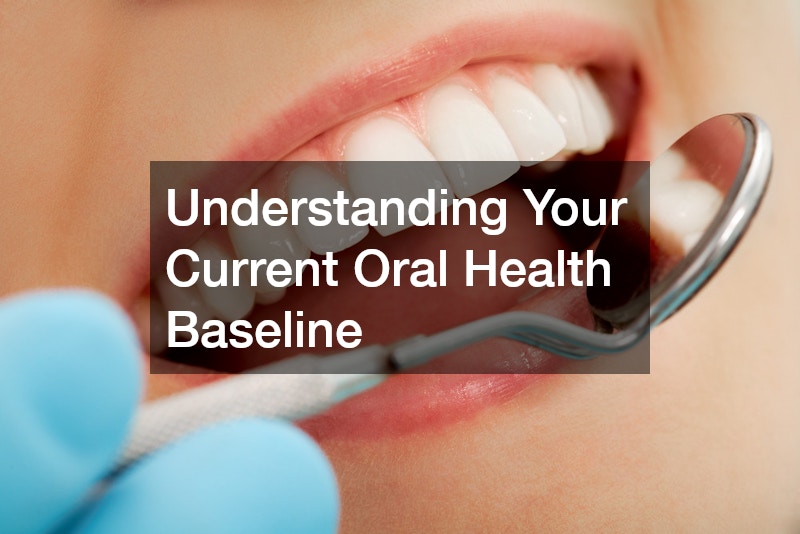
A strong oral health plan starts with understanding exactly where you are today. This means identifying existing conditions, potential risk factors, and long-term concerns before creating a roadmap for care.
Working with general dentists helps establish this baseline through comprehensive evaluations. They assess teeth, gums, bite alignment, and early signs of decay or disease. In many cases, collaborating with local dentists also makes it easier to maintain consistent care and follow-ups.
Key steps in establishing your baseline include:
- Full oral examination including X-rays when needed
- Gum health evaluation for early signs of periodontal disease
- Bite and jaw alignment assessment
- Review of past dental treatments or recurring issues
- Identification of lifestyle factors affecting oral health
Once this information is collected, your provider can begin mapping out priorities. For example, someone with frequent cavities may need stronger preventive care, while another person may require structural treatments first.
Understanding your baseline is not just about identifying problems—it is about creating a reference point that guides every future decision in your oral health journey.
Building Strong Preventive Daily and Professional Care Habits
Prevention is the foundation of long-term oral health. Without consistent care, even minor issues can develop into major complications over time. A personalized plan should prioritize both at-home routines and professional cleanings.
Routine dental teeth cleaning plays a crucial role in removing plaque and tartar that daily brushing cannot eliminate. These appointments also allow professionals to detect early warning signs before they escalate.
A strong preventive care plan includes:
- Brushing at least twice daily with fluoride toothpaste
- Daily flossing to remove debris between teeth
- Routine dental teeth cleaning appointments every 6 months or as recommended
- Monitoring gum health and sensitivity changes
- Maintaining a balanced diet low in sugar and acidic foods
For families, working with a family dentist ensures continuity of care across all age groups. This helps build consistent habits in children while also managing adult oral health needs in one coordinated system.
Preventive care is not just about avoiding cavities—it is about preserving long-term function, reducing treatment costs, and maintaining overall health stability.
Enhancing Smile Aesthetics and Facial Harmony
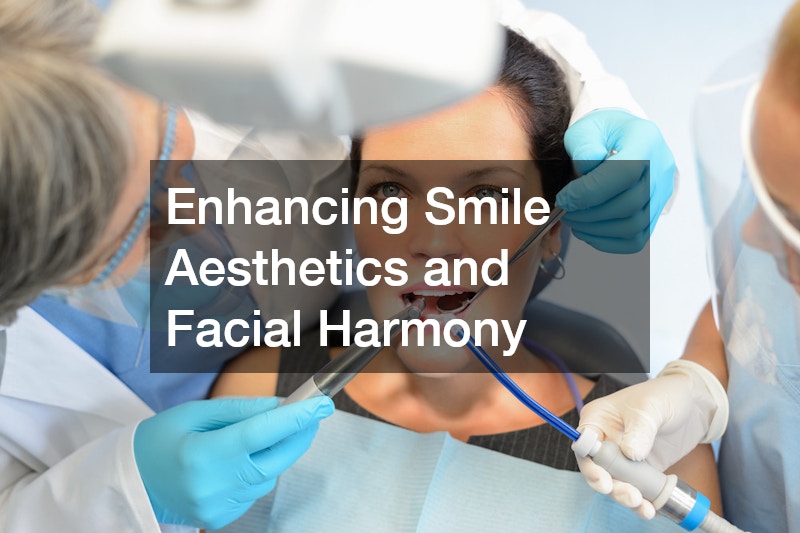
A personalized oral health plan is not only about function—it also includes appearance and confidence. Many individuals choose to address aesthetic concerns alongside routine dental care.
Cosmetic dentists specialize in improving the appearance of teeth, gums, and smiles through targeted treatments. These improvements often go beyond aesthetics and can positively affect speech, chewing, and overall oral balance.
In more advanced cases, facial plastic surgery may be considered when structural or soft tissue adjustments are needed for harmony and function.
Common aesthetic considerations include:
- Tooth discoloration or staining
- Uneven tooth shape or size
- Gummy smile appearance
- Facial symmetry concerns related to jaw alignment
- Overall smile proportion and balance
A well-designed plan ensures that aesthetic goals are realistic and integrated with overall oral health. Rather than focusing only on appearance, treatments are selected to enhance both beauty and function in a sustainable way.
Exploring Modern Teeth Straightening Options
Straight teeth are not just about appearance—they also improve bite function, hygiene, and long-term dental health. Modern orthodontic solutions offer flexible and discreet options for patients of all ages.
Clear aligner systems provide a removable, nearly invisible way to gradually move teeth into proper alignment. These are often preferred by adults seeking a less noticeable treatment option.
Invisalign treatments are one of the most widely recognized forms of clear aligner therapy, offering customized trays designed to shift teeth over time with precision.
When considering alignment options, important factors include:
- Severity of misalignment or spacing issues
- Lifestyle compatibility and daily habits
- Treatment duration and consistency requirements
- Oral hygiene maintenance during treatment
- Professional monitoring schedule
Benefits of modern alignment systems:
- Improved comfort compared to traditional braces
- Easier cleaning and maintenance
- Predictable treatment progression
- Reduced impact on daily appearance
Choosing the right alignment approach is a key part of a personalized dental plan because it directly influences both oral health and confidence.
Planning for Long-Term Tooth Replacement Solutions
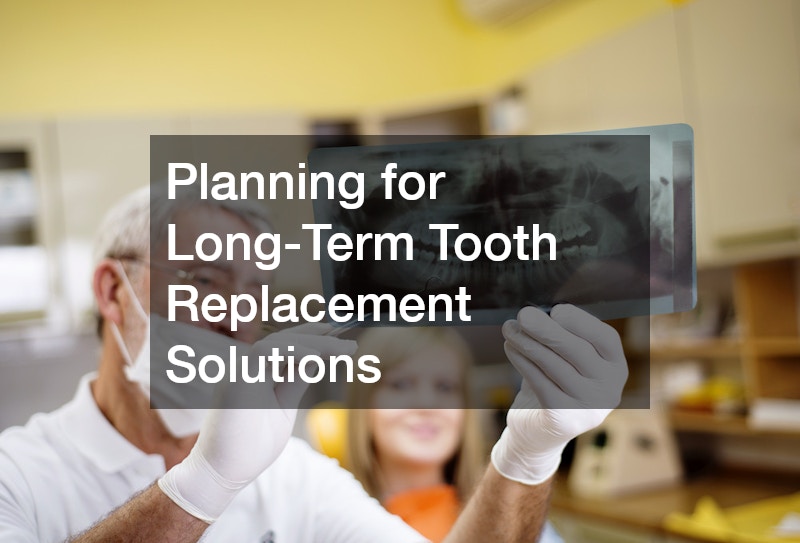
Tooth loss can significantly affect chewing ability, speech, and jaw structure. A personalized oral health plan should address tooth replacement options early to prevent further complications.
Dental implants are one of the most durable and effective long-term solutions available. They replace both the visible tooth and its root structure, helping maintain bone density and facial support.
In developing a restoration plan, general dentists often coordinate care and refer patients to specialists when needed.
Key considerations for tooth replacement include:
- Number of missing teeth and location
- Jawbone density and health
- Long-term durability requirements
- Aesthetic expectations
- Recovery time and procedure complexity
Benefits of dental implants:
- Natural appearance and function
- Prevention of bone loss in the jaw
- Long-term stability compared to removable options
- Improved chewing efficiency
A thoughtful replacement strategy ensures that oral function and appearance are restored in a way that supports overall health for years to come.
Creating a Dental Care Plan for Children and Families
Oral health needs evolve significantly across different stages of life. A personalized plan should account for children, teens, adults, and seniors within the same household when applicable.
A top pediatric dentist plays a vital role in guiding children through early dental development. Their focus is on prevention, education, and creating positive experiences that reduce dental anxiety.
Working with a family dentist allows households to coordinate care efficiently while maintaining consistent records and treatment plans.
Essential components of family-based oral care include:
- Early childhood dental visits by age one
- Monitoring growth and tooth development
- Fluoride and sealant applications for cavity prevention
- Education on brushing and flossing techniques
- Routine checkups for all family members
Benefits of coordinated family care:
- Easier scheduling and continuity
- Consistent treatment philosophy
- Early detection of hereditary dental issues
- Reduced anxiety for children through familiar providers
A strong family-focused dental plan ensures that oral health becomes a shared priority rather than an isolated responsibility.
Coordinating Care Between Different Dental Specialists

Modern dental care often involves collaboration between multiple providers to achieve the best possible outcomes, especially when treatment plans include both functional restoration and cosmetic improvement. A personalized oral health plan should clearly define when specialists are needed, what role they will play, and how communication will be managed throughout the process.
Local dentists often serve as the central point of care, coordinating referrals and maintaining long-term records. This central role is important because it ensures continuity—your overall dental history, imaging, and treatment progress are kept in one place, making it easier to make informed decisions. They also help prioritize treatments so that urgent issues are addressed before elective or cosmetic procedures begin.
Cosmetic dentists may be brought in when aesthetic improvements are part of the treatment plan, especially for complex smile redesigns. Their expertise becomes especially valuable when procedures need to balance appearance with function, such as reshaping teeth, correcting discoloration, or refining symmetry after restorative work. In more advanced cases, they collaborate closely with other providers to ensure that cosmetic enhancements complement structural treatments rather than conflict with them.
Effective coordination includes:
- Clear communication between providers
- Shared treatment records and imaging
- Step-by-step planning for multi-stage procedures
- Regular progress evaluations
- Alignment of functional and aesthetic goals
In addition, modern dental practices increasingly use digital imaging and shared treatment platforms, allowing specialists to review the same data in real time. This reduces misunderstandings, improves accuracy in planning, and ensures that each stage of treatment builds logically on the previous one.
When care is well-coordinated, patients benefit from smoother treatment experiences, fewer delays, and more predictable outcomes. It also reduces redundancy in procedures and helps ensure that every aspect of oral health—from structure to appearance—is addressed in a unified, strategic way.
Strengthening Oral Health Through Daily Lifestyle Choices
Daily habits have a significant impact on long-term oral health. Even the best professional care cannot fully compensate for poor lifestyle choices.
Dental teeth cleaning appointments are most effective when supported by strong home routines and healthy behaviors guided by general dentists.
Key lifestyle factors that influence oral health:
- Sugar and carbohydrate consumption
- Hydration levels and saliva production
- Smoking or tobacco use
- Stress-related grinding or clenching
- Sleep quality and immune function
Practical improvements include:
- Reducing sugary snacks and beverages
- Drinking water after meals
- Using a night guard if grinding is present
- Incorporating nutrient-rich foods for enamel strength
- Maintaining consistent hygiene routines
Small daily choices compound over time, making lifestyle management a critical part of any personalized oral health strategy.
Planning for Advanced Restorative and Structural Care
Some oral health needs require advanced procedures to restore function, structure, or appearance. These treatments are typically introduced after foundational care has been addressed, once inflammation, infection, and basic restorative needs are stabilized. At this stage, planning becomes more detailed and highly individualized, often involving multiple providers working together to achieve both functional and aesthetic goals.
Dental implants are often part of advanced restorative planning, especially in cases involving multiple missing teeth or significant bone loss. They provide a stable, long-term solution that supports chewing efficiency, preserves jawbone integrity, and restores a natural-looking smile. In more complex cases, implants may be combined with bone grafting or sinus lift procedures to ensure proper placement and long-term stability.
In some cases, facial plastic surgery may be integrated into treatment when structural correction is needed for both functional and aesthetic improvement. This can be relevant when jaw alignment issues affect bite function, facial symmetry, or overall oral balance. These procedures are carefully coordinated to ensure that dental and facial structures work together harmoniously rather than independently.
Key planning considerations include:
- Severity of structural damage or tooth loss
- Coordination between surgical and dental teams
- Recovery timelines and healing expectations
- Long-term maintenance requirements
- Impact on facial symmetry and function
A phased treatment plan is often used, allowing patients to complete procedures in stages for better comfort and long-term success. This approach reduces stress on the body, improves healing outcomes, and ensures each step builds properly on the last. Follow-up care is essential throughout the process, as adjustments may be needed to refine both function and appearance as healing progresses.
Monitoring Progress and Adjusting Your Oral Health Plan
A personalized oral health plan is not static—it evolves over time as your teeth, gums, lifestyle, and overall health change. What works well in one stage of life may need refinement in another, which is why consistent monitoring is essential. Without regular evaluation, small issues can quietly develop into more complex dental problems that require more extensive treatment later on.
Invisalign treatments and clear aligner systems, for example, require ongoing evaluation to ensure teeth are moving as planned and adjustments can be made if necessary. These systems rely on precision, and even minor deviations in tooth movement can affect the final outcome. Regular progress checks allow your dental provider to make timely refinements, such as updating aligner sets or modifying wear schedules to keep treatment on track.
Effective monitoring includes:
- Routine dental checkups and imaging
- Tracking changes in gum and tooth health
- Evaluating treatment progress at each stage
- Updating preventive strategies as needed
- Adjusting care plans based on age or lifestyle changes
Beyond orthodontic care, monitoring also plays a critical role in preventing decay, managing gum health, and ensuring restorative work remains stable. For instance, fillings, crowns, and implants all require periodic evaluation to confirm they are functioning properly and not causing secondary issues.
Flexibility is key. As your needs change due to aging, diet shifts, stress levels, or medical conditions, your oral health plan should adapt accordingly. This might include increasing cleaning frequency, introducing new preventive tools, or modifying dietary recommendations. A responsive approach ensures your dental care remains effective, proactive, and aligned with your long-term health goals.
Building a personalized oral health plan is one of the most effective ways to protect both the function and appearance of your smile over time. Rather than reacting to problems as they arise, this approach emphasizes prevention, coordination, and long-term strategy.
By combining routine care, lifestyle awareness, aesthetic planning, and advanced treatment options when necessary, you can create a comprehensive system that supports lifelong oral wellness. The key is consistency—regular evaluations and adjustments ensure that your plan continues to meet your needs at every stage of life.