


A healthy, confident smile affects far more than appearance. It influences how comfortably you eat, how clearly you speak, and how willingly you show emotion in photos or conversations. When teeth are damaged, misaligned, or missing, the impact can be physical and emotional at the same time.
Smile restoration is not a single procedure. It is a process—sometimes simple, sometimes complex—of rebuilding function, comfort, and aesthetics in a way that fits your goals and your life. The more you understand your options, the more empowered you’ll feel when making decisions that support your long-term oral health.
Below is a comprehensive guide to help you navigate those options with clarity and confidence.
Start With a Complete Smile Assessment and Clear Goals
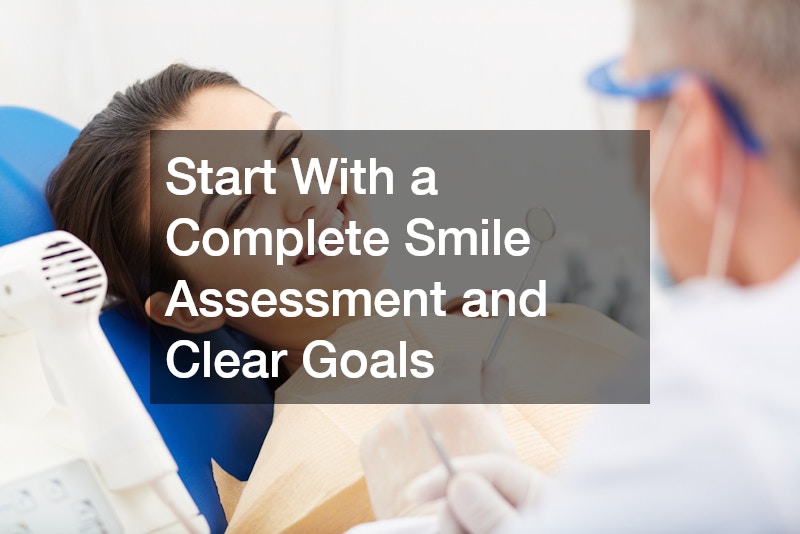
Before any treatment begins, it’s essential to understand where you are starting from. A thorough evaluation at a dental office provides the foundation for every decision that follows. Even if your primary concern seems cosmetic, underlying issues like gum inflammation, bite imbalance, or bone loss can affect outcomes.
A comprehensive assessment often includes digital X-rays, photographs, bite analysis, and a careful review of your medical history. This isn’t just about spotting cavities—it’s about identifying patterns. Are certain teeth wearing down faster? Is there shifting that suggests bone changes? Are old restorations failing?
Equally important is defining your personal goals. Some patients say, ”I just want to chew comfortably again.” Others say, ”I want to feel confident smiling in photos.” These goals guide the treatment path.
If aesthetics are a priority, consulting a cosmetic dentist can help clarify what changes are realistic and what combination of treatments might create the most natural-looking result. That may involve reshaping, whitening, or coordinating restorative work with aesthetic improvements.
At this stage, consider asking:
- What problems require immediate attention?
- What can safely wait?
- Are there phased treatment options?
- How long will the full plan take?
A well-developed plan balances urgency, budget, and long-term durability. In many cases, it’s helpful to stage treatment—addressing health issues first, then alignment, and finally cosmetic refinements.
Smile restoration works best when it’s collaborative. You’re not just receiving treatment; you’re co-designing a plan that reflects your comfort level and vision.
Replace Missing Teeth With Stable Long-Term Solutions
Missing teeth affects more than appearance. They alter how you chew, shift bite pressure to surrounding teeth, and can even accelerate bone loss in the jaw.
The first step is determining whether a compromised tooth can be saved. In some cases, decay or structural damage makes tooth extractions the healthiest option. While losing a tooth can feel discouraging, removing a severely infected or fractured tooth often prevents more extensive problems later.
Once a tooth is removed—or if one has already been missing—replacement becomes the focus. Common options include bridges, removable dentures, and implant-supported restorations.
Implants are often recommended because they anchor directly into the jawbone, mimicking the function of a natural root. Many patients are surprised to learn that affordable dental implants are increasingly accessible due to financing options and phased treatment plans.
When comparing solutions, consider:
- Longevity: How long is the restoration expected to last?
- Maintenance: What daily care is required?
- Stability: Will it move during eating or speaking?
- Bone health: Does the solution help preserve jaw structure?
For example, a removable denture may restore appearance quickly but may not prevent bone changes over time. An implant-supported crown can provide greater stability and help maintain bone density.
Lifestyle matters too. If you enjoy crunchy foods or frequently speak in professional settings, stability and comfort become especially important. Replacement isn’t just about filling a gap—it’s about restoring normal function and protecting the rest of your smile.
Straighten Teeth to Improve Function and Confidence
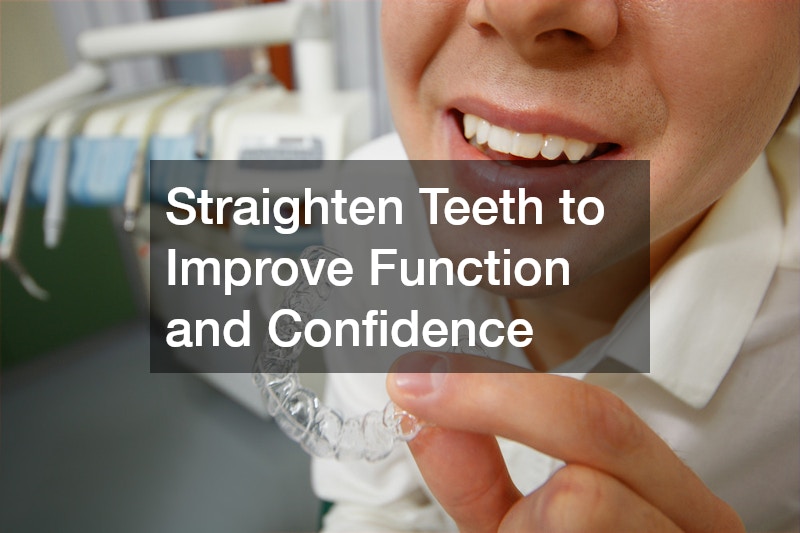
Alignment plays a larger role in smile restoration than many people realize. Crooked or crowded teeth can trap plaque, cause uneven wear, and create jaw strain.
If your bite feels ”off,” or if teeth have shifted over the years, consulting an orthodontist may be the next logical step. Alignment issues can develop gradually in adulthood, even if you never needed braces as a child.
Today, patients often choose Invisalign because it offers a discreet way to straighten teeth without traditional brackets. Clear aligners are removable, making oral hygiene easier and allowing flexibility during meals or special events.
Still, aligners are not the only solution. The best choice depends on:
- The severity of crowding or spacing
- Jaw alignment concerns
- Personal preferences
- Treatment timeline goals
Straightening teeth before completing cosmetic or restorative work often improves final results. For instance, placing veneers or crowns on misaligned teeth without correcting the underlying bite may compromise longevity.
From a functional standpoint, balanced alignment distributes chewing forces evenly. This reduces strain on individual teeth and can prevent future fractures or excessive wear.
Many adults hesitate, thinking orthodontic treatment is ”too late.” In reality, correcting alignment can be one of the most transformative steps in rebuilding both comfort and confidence.
Restore Your Smile After Surgical Procedures
Surgical dental care can feel intimidating, but in some cases, it plays a crucial role in protecting long-term oral health. One common example is wisdom teeth removal surgery.
Impacted or partially erupted wisdom teeth can trap bacteria, cause pain, and damage neighboring molars. Even when they’re not currently painful, they may create future complications.
If surgical removal is recommended, understanding the recovery process makes a significant difference. Most patients experience mild swelling and tenderness for a few days. Following instructions carefully—resting, avoiding straws, maintaining gentle hygiene—supports faster healing.
Recovery tips often include:
- Use cold compresses during the first 24 hours.
- Eating soft foods while avoiding extreme temperatures.
- Keeping the area clean without aggressive rinsing.
After healing, your provider will evaluate the surrounding teeth to ensure no structural damage occurred. In some cases, removing problematic wisdom teeth creates more space and prevents shifting.
Surgical procedures aren’t just about eliminating discomfort; they often protect the rest of your smile from long-term damage.
Rebuild and Protect Children’s Smiles Early
Smile restoration isn’t only for adults. Early attention to dental development can prevent more extensive treatment later.
Pediatric dentistry focuses on monitoring growth, guiding eruption patterns, and teaching children healthy hygiene habits. If a child loses a tooth prematurely or develops early decay, timely intervention preserves both function and confidence.
Working with a local pediatric dentist ensures consistent monitoring as your child grows. Familiarity builds trust, which makes future visits less stressful.
Common early concerns include:
- Prolonged thumb-sucking
- Crowding as permanent teeth emerge
- Enamel weakness
- Premature tooth loss due to injury or decay
Addressing these issues early may reduce the need for complex interventions in adolescence or adulthood.
Smile restoration at this stage often centers on prevention. Sealants, fluoride treatments, and early orthodontic assessments can guide development in a healthier direction.
Children who grow up understanding the value of oral health are more likely to maintain those habits long-term. Protecting their smiles now lays the groundwork for confident adulthood.
Improve Smile Aesthetics With Targeted Enhancements
Once structural health and alignment are stable, cosmetic refinements can elevate your smile from functional to radiant.
A cosmetic dentist may recommend treatments such as whitening, bonding, veneers, or enamel reshaping. These procedures address discoloration, uneven edges, small chips, or gaps that affect overall harmony.
Consider a patient who completed orthodontic treatment and replaced a missing tooth. Functionally, everything works well—but slight discoloration and minor shape inconsistencies remain. Whitening followed by subtle bonding can unify the appearance without extensive work.
Cosmetic improvements should complement—not overshadow—structural integrity. When well planned, they:
- Enhance symmetry
- Create a natural shade balance
- Maintain healthy tooth structure
- Blend seamlessly with restorations
The key is restraint and customization. The most successful aesthetic results look effortless, not artificial.
Patients often report that even small refinements dramatically increase confidence. When you no longer feel self-conscious about stains or chips, smiling becomes instinctive rather than guarded.
Make Smile Restoration Financially Manageable
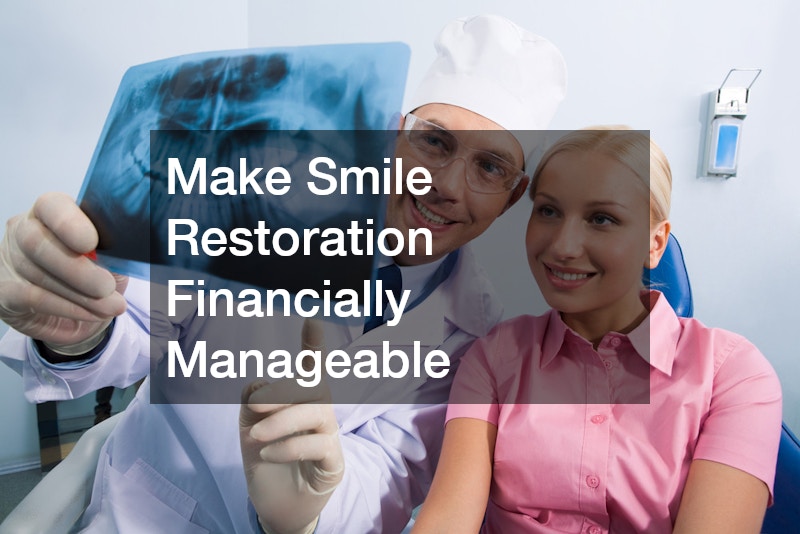
Cost is one of the most common concerns surrounding dental care. Comprehensive restoration can involve multiple procedures, and without a clear plan, expenses may feel overwhelming.
Understanding the financial roadmap from the beginning reduces stress. Ask for a detailed breakdown of diagnostics, procedures, follow-ups, and potential future maintenance.
For patients considering affordable dental implants, financing options often make phased treatment possible. Some providers offer payment plans or coordinate benefits across calendar years to maximize insurance coverage.
To manage costs effectively:
- Prioritize urgent health concerns first.
- Explore phased treatment over time.
- Use health savings accounts when available.
- Compare long-term durability instead of focusing only on initial price.
A less expensive short-term solution may require replacement sooner, increasing overall expense. Durable restorations often provide better long-term value.
Open communication about budget constraints allows your provider to tailor recommendations appropriately. Smile restoration should be sustainable—not financially destabilizing.
Maintain Your Restored Smile for Decades
Completing treatment is only the beginning. Maintenance determines how long your results last. Whether you’ve invested in minor cosmetic refinements or extensive restorative work, the habits you follow afterward directly influence durability, comfort, and appearance.
Why Ongoing Monitoring Matters
Regular visits to a dental office allow early detection of minor concerns before they escalate. Professional cleanings remove buildup that daily brushing may miss, especially around restorations.
Even high-quality restorations can fail if small issues go unnoticed. A slightly loose crown, mild gum inflammation, or subtle bite imbalance may not cause immediate pain—but over time, these small changes can compromise surrounding teeth.
Routine checkups help your provider:
- Examine margins around crowns and bridges
- Evaluate gum health around implants
- Monitor wear patterns on restorations
- Check for early signs of decay near treated teeth
Catching a minor issue early often means a simple adjustment instead of a full replacement.
Adjusting Your At-Home Routine
At home, adjustments may be necessary. For example, implant-supported crowns require meticulous cleaning around the gumline. Plaque can accumulate at the junction where restoration meets gum tissue, increasing the risk of inflammation.
You may be advised to use:
- Soft-bristled or electric toothbrushes for consistent pressure
- Interdental brushes to clean around implant posts
- Water flossers for hard-to-reach areas
- Non-abrasive toothpaste to protect surfaces
Nightguards may be recommended if you grind your teeth. Clenching and grinding place extreme pressure on restorations, sometimes without you realizing it. A custom guard acts as a protective barrier, absorbing force that would otherwise damage enamel or ceramic surfaces.
Small daily adjustments dramatically extend the life of restorative work.
Learning From Preventive Principles
Interestingly, preventive principles apply broadly—even in pet dental care. Just as animals benefit from routine cleaning to prevent plaque accumulation, humans rely on consistent maintenance to preserve restorations.
Plaque is persistent. It forms daily, regardless of how much you’ve invested in treatment. The difference between long-lasting results and premature failure often comes down to how consistently it is managed.
The goal isn’t perfection; it’s consistency.
Building a Sustainable Routine
A sustainable routine often includes:
- Brushing twice daily with proper technique
- Flossing or using interdental cleaners
- Attending recommended professional cleanings
- Reporting sensitivity or changes promptly
Proper technique matters as much as frequency. Brushing too aggressively can damage gum tissue, while brushing too lightly may leave plaque behind. Your provider or hygienist can demonstrate effective angles and pressure.
Pay attention to subtle warning signs such as bleeding gums, lingering bad breath, or increased sensitivity. These early indicators often signal inflammation or buildup that needs attention.
Protecting Your Long-Term Investment
Maintenance is not glamorous, but it is powerful. Many restoration failures result from neglect rather than structural weakness.
Think of your restored smile as an investment. Protecting it daily ensures the time, effort, and resources you devoted continue paying off. With attentive care and consistent monitoring, your smile can remain strong, comfortable, and confident for decades.
Decide When to Act and When to Monitor
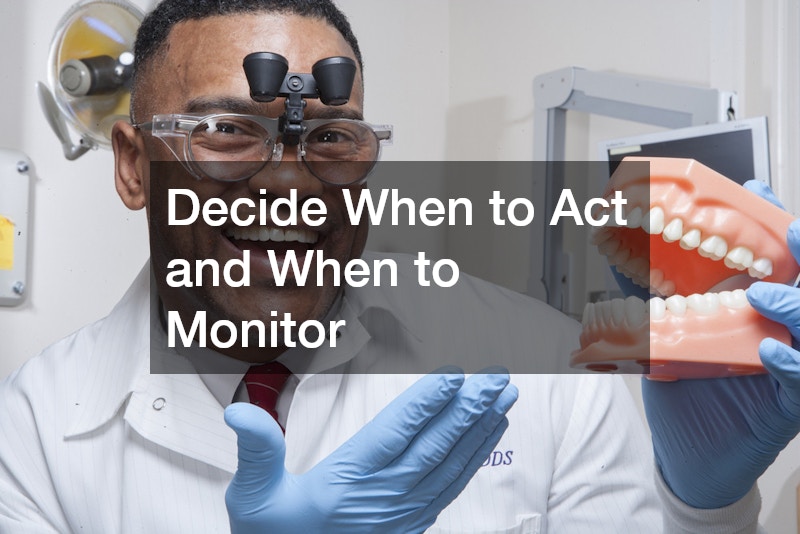
Not every issue demands immediate treatment. Distinguishing between urgency and observation prevents overtreatment while safeguarding health.
Persistent pain, infection, or structural fractures require prompt action. In some cases, tooth extractions prevent spreading infection or further bone damage.
Other concerns, such as mild crowding, may be monitored before committing to correction. A consultation with an orthodontist can clarify whether early intervention prevents future complications.
Ask yourself:
- Is this problem causing discomfort?
- Is it progressing?
- Could delaying treatment create more complex issues?
Regular evaluations allow adjustments to your plan over time. Oral health evolves with age, lifestyle, and overall health changes.
Some patients move through phases—addressing alignment in their thirties, replacing missing teeth in their forties, and refining aesthetics later. Smile restoration is not always a one-time event; it can be an ongoing journey.
Staying informed helps you act confidently rather than reactively.
Moving Forward with a Confident Smile
Restoring your smile is deeply personal. It blends science and artistry, health and aesthetics, practicality and emotion.
The most successful outcomes begin with understanding—knowing what options exist, what each solution offers, and how they align with your goals. Whether you’re addressing missing teeth, correcting alignment, improving appearance, or protecting your child’s development, each step contributes to long-term well-being.
Take the time to ask questions. Seek clarity. Build a thoughtful plan that respects both your health and your lifestyle.
A restored smile is more than a cosmetic change. It’s the return of comfort, strength, and confidence—one informed decision at a time.