
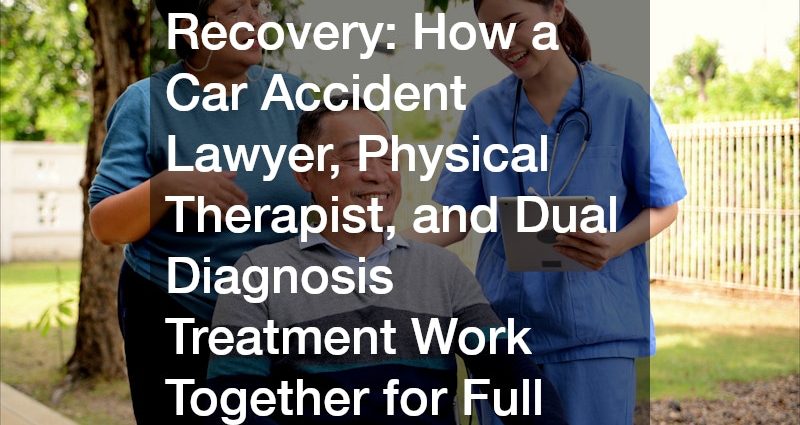

Recovering from a serious accident is rarely a straight line. For many individuals, the journey involves more than healing broken bones or settling insurance claims. It often requires coordinated care that addresses legal, physical, and emotional challenges at the same time. When these elements work together, recovery becomes more complete and sustainable.
This is where collaboration matters. A car accident lawyer, a skilled physical therapist, and access to dual diagnosis treatment can form a powerful support system. Each plays a different role, yet their combined efforts help individuals move forward with clarity, stability, and confidence. When the right professionals are involved early, individuals are more likely to avoid delays, reduce complications, and stay focused on meaningful progress. Establishing a clear recovery plan in the first weeks after a crash can dramatically influence both physical outcomes and legal results.
The Immediate Aftermath of an Accident
The moments following a crash are often overwhelming. Injuries may not be fully apparent right away, and decisions must be made quickly. Seeking medical attention is always the first priority, even if symptoms seem minor. Early documentation can also become critical later when pursuing a personal injury claim.
Beyond the physical impact, accidents often bring emotional stress, financial concerns, and uncertainty about what comes next. Many individuals begin to realize that recovery will involve more than a few doctor visits. It may require structured rehab, ongoing evaluations, and professional guidance across multiple areas.
In the first few days after an accident, clear thinking can be difficult. This is why having a plan matters. Keeping records, following medical advice, and avoiding rushed decisions can help protect both health and legal rights. Taking these steps early creates a stronger foundation for recovery. Understanding what to expect and how long the healing process may take also reduces anxiety and encourages adherence to treatment.
The Role of a Car Accident Lawyer in Recovery
Legal support is often one of the first steps toward regaining stability. A knowledgeable car accident lawyer helps individuals understand their rights and navigate complex insurance processes. They gather evidence, communicate with adjusters, and ensure that claims are handled properly.
Their role goes beyond paperwork. A strong legal advocate helps clients focus on healing while managing the legal burden behind the scenes. They often coordinate with medical providers to document injuries accurately, which can strengthen a personal injury case.
In many situations, the lawyer becomes a central point of communication. They may guide clients toward trusted providers offering rehabilitation services, ensuring that care aligns with both medical needs and legal requirements. This level of coordination can prevent gaps in treatment and reduce confusion during an already stressful time.
Working with an experienced attorney also helps individuals avoid common mistakes, such as accepting low settlement offers or missing important deadlines. These details can have a lasting impact on financial recovery. Lawyers often provide strategic advice on how to document progress during rehab and may even recommend specialized therapies to maximize recovery outcomes.
Understanding the Importance of Physical Therapy

Physical recovery rarely happens on its own. After an accident, even minor injuries can lead to long-term complications if left untreated. A licensed physical therapist designs personalized plans to restore strength, mobility, and function.
These plans often include targeted exercises, manual therapy, and ongoing assessments. Progress may be gradual, but consistency leads to measurable improvements. Patients who follow structured therapy programs often experience better outcomes than those who rely on rest alone.
In more complex cases, a physical therapist works alongside other specialists to ensure that recovery stays on track. Their detailed records can also support legal claims by showing the extent of injuries and the effort required to recover.
Over time, therapy can help individuals regain independence. Simple tasks such as walking, lifting, or driving may feel challenging at first, but guided rehabilitation helps restore confidence. This process not only improves physical health but also supports emotional well-being. Many patients find that working with a physical therapist also teaches them techniques to prevent future injuries and maintain long-term mobility.
Addressing the Hidden Impact: Mental Health and Dual Diagnosis
Not all injuries are visible. Emotional trauma, anxiety, and substance use issues can emerge after a serious accident. This is where dual diagnosis treatment becomes essential. It addresses both mental health conditions and substance-related challenges at the same time.
For some individuals, coping with pain or stress leads to unhealthy habits. Without proper support, these issues can slow recovery and create additional complications. Integrated care helps identify underlying concerns and provides structured solutions.
Programs offering dual diagnosis treatment often include counseling, medication management, and behavioral therapy. This approach ensures that both physical and emotional needs are addressed together, rather than treated separately.
Mental health support also plays a key role in motivation. When individuals feel emotionally stable, they are more likely to stay engaged in their recovery plan and follow through with recommended care. Addressing trauma early in the recovery process can reduce long-term psychological complications and improve overall rehabilitation outcomes.
The Value of an Outpatient Intensive Program
Not every patient requires inpatient care. Many benefit from a structured outpatient intensive program, which provides consistent support while allowing individuals to maintain daily responsibilities.
These programs typically include therapy sessions, group support, and medical oversight. They are especially useful for individuals balancing work, family, and recovery. The flexibility helps patients stay engaged without disrupting their entire routine.
An outpatient intensive program also creates accountability. Regular check-ins encourage progress and help prevent setbacks. When combined with physical recovery efforts, it provides a well-rounded path forward.
Participants often find that these programs offer a sense of community. Sharing experiences with others in similar situations can reduce feelings of isolation and provide encouragement during difficult stages of recovery. Additionally, these programs often educate patients on self-care strategies that can accelerate long-term recovery.
How Rehabilitation Services Bring It All Together
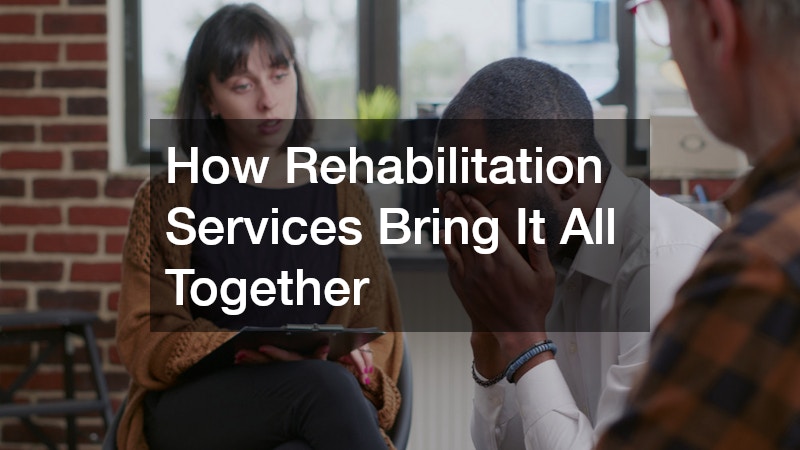
Comprehensive recovery often depends on access to coordinated rehabilitation services. These services go beyond basic care, offering a structured environment where multiple professionals work toward the same goal.
Patients may receive physical therapy, counseling, and medical evaluations under one plan. This integrated approach reduces gaps in care and ensures that progress in one area supports progress in another.
High-quality rehabilitation services focus on long-term outcomes. They aim not only to treat injuries but also to restore independence, confidence, and overall well-being.
These programs also emphasize education. Patients learn how to manage pain, prevent future injuries, and maintain healthy habits. This knowledge becomes a valuable part of long-term recovery. By combining rehab with ongoing support, patients often experience better physical and emotional outcomes.
The Role of IV Therapy in Modern Recovery Plans
In recent years, iv therapy has become a valuable addition to recovery programs. It delivers vitamins, fluids, and nutrients directly into the bloodstream, helping the body recover more efficiently.
After an accident, the body often faces inflammation, fatigue, and nutrient depletion. IV therapy can support hydration and energy levels, making it easier for patients to participate in physical and mental health treatments.
While it is not a standalone solution, it complements other therapies by enhancing the body’s natural healing processes. When used appropriately, it can help accelerate progress and improve overall outcomes.
Patients who include supportive treatments like this often notice improved endurance during therapy sessions and a quicker return to daily routines. IV therapy can also reduce recovery times for certain injuries, making it an increasingly popular addition to comprehensive rehabilitation plans.
Legal Guidance Beyond Accidents: The Role of a DUI Attorney
Some cases involve more than one legal challenge. Individuals facing charges related to impaired driving may need the support of a DUI attorney in addition to injury-related legal help.
A skilled DUI attorney works to protect the client’s rights while navigating court procedures and potential penalties. In certain situations, they may also recommend treatment programs that address underlying issues.
This connection between legal guidance and recovery is important. Addressing both legal and personal challenges at the same time can lead to more meaningful, lasting change.
By resolving legal matters while pursuing treatment, individuals can move forward with fewer obstacles and a clearer sense of direction. DUI attorneys may also help patients identify resources for rehabilitation, linking legal compliance with personal health improvement.
Collaboration Between Legal and Medical Professionals

One of the most effective aspects of modern recovery is collaboration. A lawyer does not work in isolation. They often communicate with medical providers to ensure that treatment plans are properly documented and aligned with legal needs.
This teamwork benefits the patient in several ways. It reduces confusion, improves communication, and creates a more cohesive recovery experience. When professionals share information, decisions become more informed and efficient.
In many cases, a lawyer may help clients access resources they would not have found on their own. This guidance can be especially valuable during stressful or uncertain times.
Strong collaboration also helps avoid delays in care, ensuring that treatment begins promptly and continues without interruption. By integrating the efforts of lawyers, therapists, and rehab specialists, patients gain a coordinated, streamlined recovery process.
Building a Personalized Recovery Plan
No two recovery journeys are the same. Each individual brings unique circumstances, injuries, and goals. A personalized plan takes all of these factors into account.
This plan may include physical therapy sessions, counseling, medical treatments, and legal support. It evolves over time as progress is made and new challenges arise.
Flexibility is key. Adjustments ensure that care remains effective and relevant. With the right support system, patients can move forward at a pace that feels both manageable and productive.
Clear communication between providers ensures that each part of the plan works together, rather than competing for attention or resources. Patients who actively participate in planning often report higher satisfaction and better outcomes.
The Long-Term Benefits of Integrated Care
Recovery does not end when symptoms fade. Long-term health depends on continued attention to both physical and emotional well-being. Integrated care helps individuals build habits that support lasting results.
Patients who engage in comprehensive programs often report improved quality of life. They regain confidence in their abilities and feel better equipped to handle future challenges.
This approach also reduces the risk of setbacks. By addressing multiple aspects of recovery at once, it creates a stronger foundation for long-term success.
Over time, individuals may find that the skills they developed during recovery continue to benefit them in other areas of life. The combination of medical, legal, and emotional support forms a framework for sustained independence.
Overcoming Common Challenges in Recovery

Even with the right support, recovery can present obstacles. Pain, frustration, and slow progress may test a patient’s patience. Financial concerns and legal stress can add to the burden.
This is where a coordinated team becomes invaluable. Each professional contributes a different perspective, helping patients stay focused and motivated. Clear communication and realistic expectations can make a significant difference.
Support systems, both professional and personal, play a crucial role. Encouragement from family, friends, and care providers helps individuals stay committed to their recovery plan.
Recognizing small milestones along the way can also boost motivation and reinforce progress. Celebrating minor improvements helps maintain morale during longer rehabilitation periods.
Moving Forward With Confidence
The path from injury to recovery is rarely simple, but it is manageable with the right guidance. When legal support, physical care, and mental health treatment come together, patients gain a clearer sense of direction.
A car accident lawyer helps secure the resources needed for recovery. A physical therapist restores strength and mobility. Dual diagnosis treatment addresses the emotional and behavioral aspects that often go unnoticed.
Together, these elements create a comprehensive approach that supports true healing. With the right plan in place, individuals can move beyond the challenges of an accident and build a healthier, more stable future.
Sustained recovery often depends on commitment, communication, and the willingness to engage fully with each aspect of treatment. When patients take an active role, results tend to improve, and setbacks become easier to manage.
A Complete Recovery Approach
True recovery goes beyond treating injuries. It involves rebuilding confidence, restoring independence, and creating a path forward. By combining legal expertise, medical care, and emotional support, individuals can achieve a more balanced and lasting outcome.
Every step in the process matters. From the first consultation to the final stages of healing, each decision contributes to the bigger picture. With the right team and a thoughtful approach, recovery becomes not just possible, but meaningful.
By addressing physical, mental, and legal needs simultaneously, patients create a foundation for long-term health and stability. This comprehensive model demonstrates that recovery is most successful when all aspects of a person’s well-being are considered together.