
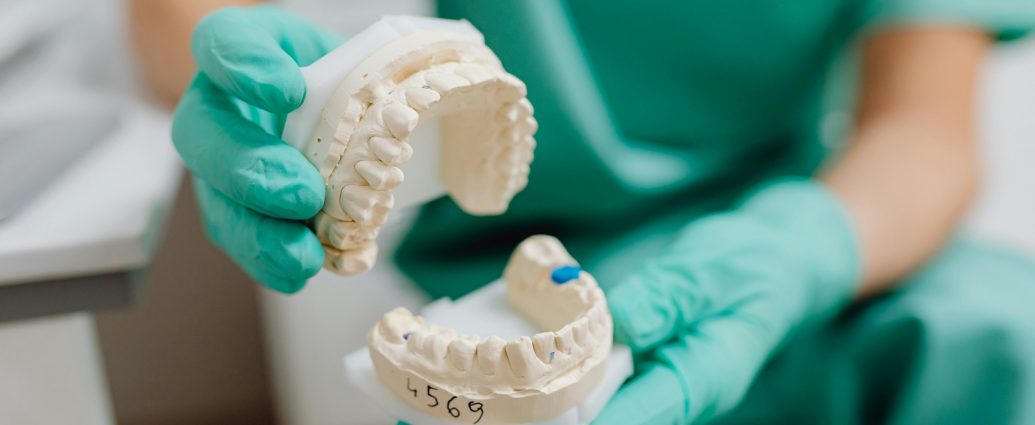

If you’ve had your wisdom teeth removed, you may think you’re done dealing with them forever. But what if you suddenly feel pain in the back of your mouth years later? It’s natural to wonder: Can wisdom teeth grow back in adults?
The short answer is no. Once a wisdom tooth is completely removed, it does not grow back.
However, there are situations that can make it seem like they have returned. In this article, we’ll explain why wisdom teeth don’t grow back, what might cause similar symptoms, and what adults should expect after wisdom tooth removal.
What Are Wisdom Teeth?
Wisdom teeth are the third set of molars located at the very back of your mouth. Most people can have up to four wisdom teeth:
- Upper right
- Upper left
- Lower right
- Lower left
They usually appear between ages 17 and 25, which is why they’re called “wisdom” teeth.
Dentists refer to them as third molars.
Can Wisdom Teeth Grow Back?
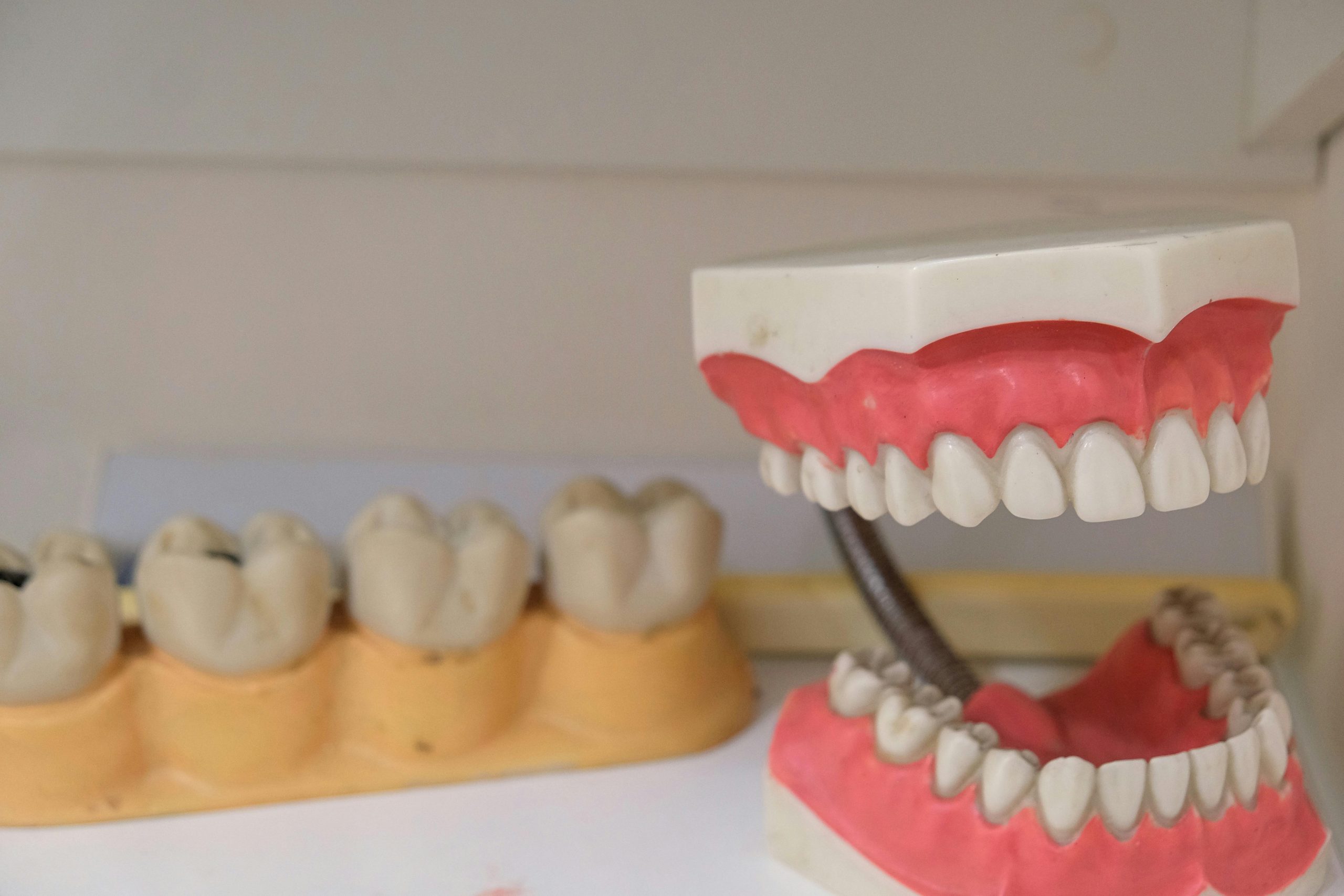
No. Wisdom teeth cannot grow back after they have been fully removed.
Humans develop only one set of permanent teeth. Unlike baby teeth, which fall out and are replaced, permanent teeth do not regenerate.
Once a wisdom tooth is extracted:
- The root is removed
- The tooth structure is gone
- The socket heals over time
There is no biological process that allows a fully removed wisdom tooth to regrow.
Why Do Some People Think Their Wisdom Teeth Grew Back?
Even though wisdom teeth don’t grow back, certain situations can make it feel like they did.
Here are some common explanations:
1. Impacted Teeth That Were Not Fully Visible
Sometimes, wisdom teeth are deeply impacted under the gum and bone. If not all third molars were visible on earlier exams, a hidden one may erupt later.
It may seem like a tooth “grew back,” but it was actually there all along.
2. Extra Teeth (Supernumerary Teeth)
In rare cases, people develop extra teeth behind their wisdom teeth. These are called supernumerary teeth.
They are uncommon but possible.
If one appears after wisdom tooth removal, it may cause confusion.
3. Bone Fragments After Surgery
After extraction, small bone fragments may surface during healing.
These fragments can:
- Feel sharp
- Cause gum irritation
- Mimic tooth sensation
They are not new teeth, but they may feel similar.
4. Tooth Shifting or Gum Changes
Teeth can shift slightly over time.
If neighboring molars move backward into the extraction space, you may feel pressure or discomfort.
This can feel like new tooth growth.
What Happens After Wisdom Tooth Removal?
Healing typically follows a predictable pattern.
First Few Days:
- Swelling
- Mild to moderate pain
- Some bleeding
- Soft food diet
First Few Weeks:
- Gums begin to close
- Bone starts filling in
- Sensitivity decreases
Long Term:
- Bone completely heals
- No tooth regrowth occurs
Most adults recover fully within two weeks, though complete bone healing may take a few months.
Is It Possible a Root Was Left Behind?
In some cases, a small portion of the root may be intentionally left behind if removal risks nerve damage.
This is more common in lower wisdom teeth near the jaw nerve.
If a small root fragment remains:
- It usually stays harmless
- It may not cause symptoms
- Your dentist monitors it
However, a retained root does not mean the tooth will grow back.
Can Adults Develop New Teeth Later in Life?
It is extremely rare for adults to develop entirely new teeth after permanent teeth are formed.
Humans are not biologically designed to grow additional teeth beyond:
- Baby teeth
- Permanent teeth
If something new appears in the mouth, it is almost always:
- A previously impacted tooth
- An extra tooth
- A bone fragment
- Gum swelling
Does Everyone Have Wisdom Teeth?
Interestingly, not everyone even develops wisdom teeth.
If you’ve ever wondered, does everyone have wisdom teeth, the answer is no.
Some people:
- Are born without one or more wisdom teeth
- Develop fewer than four
- Never have them erupt
Genetics and jaw size both play a role.
Because of evolutionary changes, modern humans often have smaller jaws, leaving less room for extra molars.
Signs Something May Be Wrong After Removal
If you feel pain in the area years after surgery, it’s important to identify the cause.
Watch for:
- Persistent swelling
- Sharp pain
- Bad taste in the mouth
- Gum tenderness
- Jaw stiffness
These symptoms are more likely related to:
- Gum infection
- Nearby molar issues
- Food trapped in gum pockets
- Temporomandibular joint (TMJ) problems
They do not usually indicate tooth regrowth.
What If You Feel Pain Years Later?
Pain years after wisdom tooth removal may be caused by:
- Cavities in second molars
- Gum disease
- Sinus infections (upper molars)
- Teeth grinding
- Nerve sensitivity
A dental exam and X-ray can quickly identify the problem.
Do not assume the wisdom tooth has grown back.
How Dentists Confirm What’s Happening
If you suspect something unusual, your dentist may:
- Take a panoramic X-ray
- Perform a clinical exam
- Check gum health
- Evaluate adjacent teeth
X-rays clearly show whether any tooth structure remains.
This helps rule out regrowth myths.
Are There Any Long-Term Risks After Removal?
Wisdom tooth removal is generally safe.
Rare long-term issues may include:
- Minor nerve sensitivity
- Gum pocket formation
- Dry socket during healing
- Rare infection
However, regrowth is not one of them.
Why Wisdom Teeth Removal Is So Common
Wisdom teeth are frequently removed because:
- Modern jaws are smaller
- Teeth often grow at angles
- Crowding may occur
- Cleaning them is difficult
- Infection risk increases
Removal often prevents future complications.
Can Wisdom Teeth Removal Change Your Face?
This is a common myth.
Wisdom tooth removal does not:
- Change facial shape
- Slim your jawline
- Alter bone structure significantly
The changes are internal and functional.
Frequently Asked Questions
Can wisdom teeth grow back after 10 years?
No. Once fully removed, they do not regrow.
Can they grow back if removed at a young age?
No. Age does not affect regrowth.
Can pain mean they’re returning?
Pain is likely caused by another dental issue.
Can leftover roots turn into teeth?
No. Roots cannot regenerate into full teeth.
What to Expect as an Adult

If your wisdom teeth were removed, you can feel confident knowing that they will not come back. Once a third molar is fully extracted, the tooth and its roots are permanently gone. There is no natural process that allows adult teeth to regenerate.
Here’s what typically happens after removal in the long term:
- They will not return: Permanent teeth do not grow back. If you experience sensations in the back of your mouth years later, the cause is almost always something else, such as gum irritation or issues with neighboring teeth.
- The bone will fully heal: After extraction, your body gradually fills in the empty socket with bone. While the gum tissue may heal within a few weeks, complete bone healing can take several months. Once healed, the area becomes stable and strong.
- You can focus on routine dental care: Without wisdom teeth, it may actually be easier to clean the back of your mouth. Many people find that brushing and flossing improve because there is more space and fewer hard-to-reach areas.
To maintain good oral health, continue:
- Brushing twice daily: Use a soft-bristled toothbrush and fluoride toothpaste to protect your teeth and gums.
- Flossing daily: Cleaning between teeth helps prevent cavities and gum disease, especially near your back molars.
- Scheduling regular checkups: Routine dental visits allow your dentist to monitor your overall oral health and catch problems early.
If discomfort appears in the area where your wisdom teeth were removed, consult your dentist rather than assuming regrowth. Early evaluation can quickly identify the real cause and provide the right treatment.
Final Thoughts
So, can wisdom teeth grow back in adults?
No. Once they are completely removed, they are gone for good.
If you feel discomfort years later, it’s likely caused by something else — such as gum irritation, tooth shifting, or a nearby dental issue.
Modern dentistry provides clear imaging tools to confirm what’s happening. If you ever feel unsure, schedule a dental visit for peace of mind.
Understanding the facts helps separate myths from reality. Wisdom teeth may cause trouble once — but they do not get a second chance to grow back.
Maintaining regular dental care is the best way to protect your smile for years to come.