
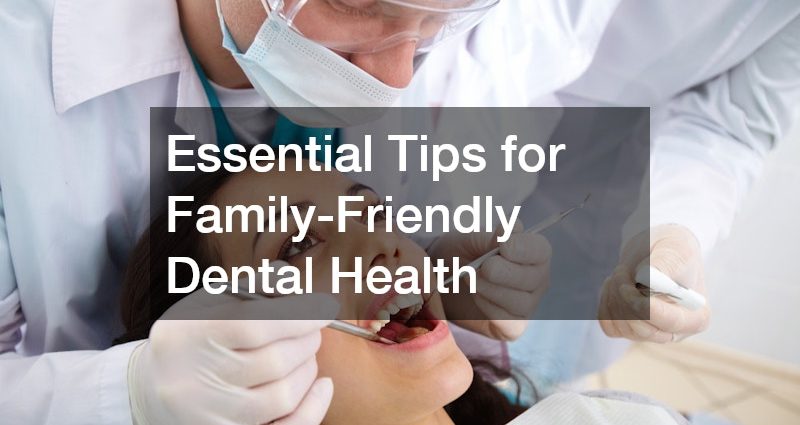

Maintaining a healthy smile is one of the most important aspects of overall well-being for the entire family. Proper oral care doesn’t just prevent cavities or gum disease, it supports confidence, nutrition, and long-term health. Establishing good dental habits early can help children grow into adults with strong, healthy teeth, while providing adults and seniors with strategies to preserve their smiles and prevent costly dental problems.
This guide provides actionable tips for families of all ages, covering daily routines, professional care, emergency preparedness, and solutions for both aesthetic and restorative needs. By following these strategies, families can enjoy healthier smiles, stronger teeth, and fewer unexpected visits to the dentist.
Build a Consistent Daily Oral Hygiene Routine
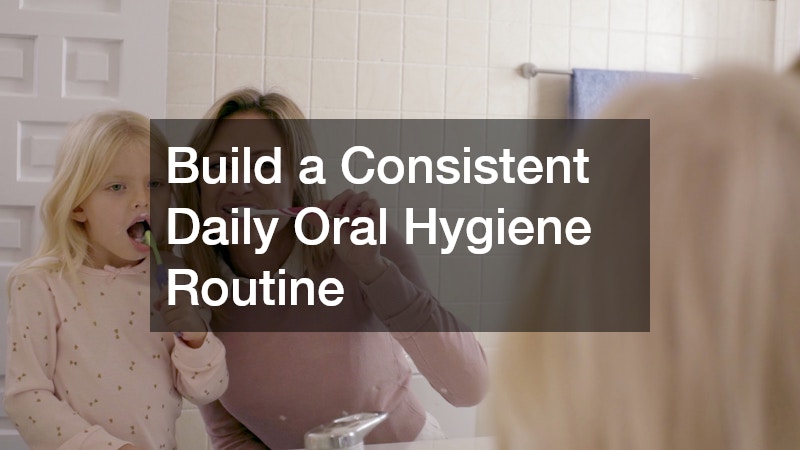
Consistency is the foundation of healthy teeth and gums. Regular brushing, flossing, and additional preventive care protect teeth from decay, strengthen enamel, and reduce the risk of gum disease. For families, establishing a structured oral hygiene routine is particularly important because habits learned in childhood often carry into adulthood. Children who are taught proper care early are more likely to maintain these practices for life, while adults benefit from reduced dental problems and more efficient professional care.
Tips for Adults and Children
1. Brush Twice Daily (Morning and Night)
Brushing twice a day is essential to remove plaque and prevent cavities. Using a fluoride toothpaste strengthens enamel and helps fight decay. For children under three, only a small pea-sized amount of toothpaste is needed. For older children, parents should supervise to ensure all surfaces of the teeth are properly cleaned.
-
Technique Matters: Brush in gentle circular motions for at least two minutes, covering front, back, and chewing surfaces. Don’t forget the tongue, which can harbor bacteria that cause bad breath.
-
Electric vs. Manual Brushes: Electric toothbrushes can be more effective at removing plaque, especially for children or adults with limited dexterity. However, a properly used manual brush works just as well.
2. Floss Daily
Flossing is critical for cleaning between teeth, where brushes can’t reach. It removes food particles and plaque buildup that can lead to cavities and gum disease.
-
Starting Young: Children can begin flossing once their teeth touch, typically around age 2–3. Parents should assist until children develop the dexterity to floss independently.
-
Proper Technique: Use a gentle “C” shape around each tooth, sliding the floss below the gumline without forcing it. For those who find traditional floss challenging, floss picks or water flossers can be effective alternatives.
3. Use Mouthwash When Appropriate
Mouthwash can offer an extra layer of protection by reducing bacteria and strengthening enamel. Alcohol-free formulas are recommended for children to avoid irritation or accidental ingestion.
-
Targeted Benefits: Fluoride mouthwashes can help prevent cavities, while antiseptic formulas reduce bacteria and freshen breath.
-
Timing: Use mouthwash after brushing and flossing for the best effect, but avoid rinsing immediately after to allow fluoride to fully work.
4. Make Oral Care Fun
Children are more likely to brush and floss consistently when it’s an engaging activity rather than a chore.
-
Creative Tools: Colorful toothbrushes, character-themed timers, or musical brushes can make brushing exciting.
-
Gamification: Use reward charts, stickers, or apps that track brushing progress. Reward consistency to reinforce positive habits.
-
Storytelling: Turn brushing into a “battle against sugar bugs” or create a story around the teeth, helping children understand why care is important.
5. Lead by Example
Children often mimic adult behavior, so modeling good dental habits is one of the most effective ways to reinforce routines.
-
Brush together in the morning and evening.
-
Demonstrate proper flossing techniques.
-
Talk openly about dental care, making it a positive and regular part of daily life.
Special Considerations for Different Family Members
-
Toddlers: Focus on gentle brushing and early exposure to routines. Avoid letting children fall asleep with bottles containing milk or juice to prevent decay.
-
School-Aged Children: Encourage independent brushing, supervise flossing, and educate them on the effects of sugary foods.
-
Teenagers: Address orthodontic appliances, such as braces or aligners, with specialized brushing and flossing techniques. Regular reminders can prevent neglect.
-
Adults: Maintain consistency, consider additional preventive measures like mouthguards for nighttime teeth grinding, and schedule regular dental checkups.
Long-Term Benefits
Maintaining a daily oral hygiene routine reduces the likelihood of needing extensive dental procedures later in life. Healthy habits lower the risk of cavities, gum disease, root canals, and even tooth loss. They also make professional visits smoother, as a well-maintained mouth allows for easier examinations, cleanings, and treatments when necessary.
Consulting with a pediatric dentist can provide guidance tailored to children’s needs, while adults can rely on their general dentist for strategies that address aging teeth, restorations, or preventive treatments. By prioritizing a structured, consistent routine for all family members, families can build a foundation for lifelong oral health.
Schedule Regular Checkups and Professional Cleanings

Professional dental care is essential for maintaining long-term oral health. Even with perfect daily routines, plaque and tartar can accumulate in hard-to-reach areas, increasing the risk of cavities, gum disease, and other oral health issues. Regular checkups allow for early detection of potential problems, preventing complications, extensive treatments, and unnecessary costs. They also provide an opportunity for dentists to educate families on proper hygiene practices and dietary habits.
How to Make the Most of Checkups:
-
Frequency: Most families benefit from visits every six months, though your dentist may recommend more frequent checkups for children, seniors, or those with existing dental issues. Establishing a consistent schedule helps children become comfortable with routine visits and reduces dental anxiety.
-
Exams: Routine exams include checking for cavities, gum disease, misalignment, and early signs of oral health problems. Dentists can also monitor jaw development in children and screen for conditions that may affect long-term oral health.
-
Cleanings: Professional cleanings remove plaque and tartar buildup, polish teeth, and help prevent gum inflammation. These cleanings reach areas that brushing and flossing alone cannot, keeping teeth and gums healthy while reducing the risk of tooth loss later in life.
-
Specialized Care: Some adults may consider dental implants to replace missing teeth. During checkups, your dentist can discuss implant suitability, maintenance tips, and long-term care to ensure lasting results.
Maintaining a relationship with a trusted dentist ensures that each family member receives personalized advice, preventive strategies, and timely interventions. Consistent checkups help catch problems early, minimize discomfort, and significantly reduce the need for complex dental procedures in the future. Over time, regular visits create a strong foundation for healthy smiles and reinforce the importance of oral hygiene for the entire family.
Handle Dental Emergencies Effectively
Accidents happen, and knowing how to respond quickly can make a big difference in outcomes. From chipped teeth to severe pain, families should be prepared for unexpected situations.
Common Emergency Scenarios:
-
Knocked-Out Tooth: Rinse gently with water, avoid scrubbing, and place it in milk or saline solution while heading to an emergency dentist.
-
Severe Toothache: Floss to remove trapped food, rinse with warm saltwater, and contact an emergency dentist if pain persists.
-
Broken Crown: Keep the crown safe and see a dentist as soon as possible for replacement or repair.
-
Soft Tissue Injuries: Apply gentle pressure to stop bleeding, clean with mild antiseptic, and seek care if swelling or pain persists.
Tips for Families:
-
Keep a dental first-aid kit with gauze, dental cement, and pain relief options.
-
Teach children basic safety rules to reduce accidents.
-
Identify an emergency dentist nearby and keep their contact information accessible.
Being prepared and knowing when to act can prevent long-term damage and reduce stress during a dental emergency.
Encourage Healthy Eating Habits for Strong Teeth
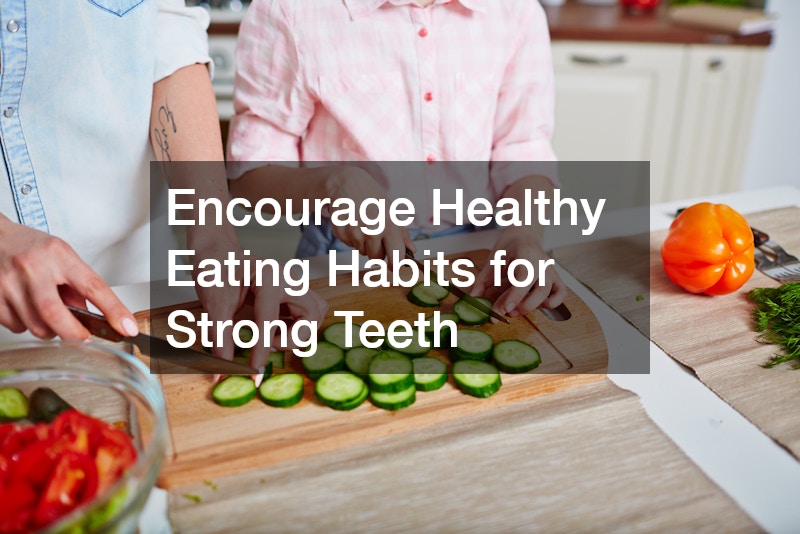
Nutrition plays a crucial role in oral health. Foods rich in calcium, phosphorus, and vitamins support strong teeth, while sugary snacks increase the risk of cavities. Teaching children and adults to make informed choices contributes to long-term family dental wellness.
Family-Friendly Eating Tips:
-
Limit Sugary Snacks: Candy, soda, and other high-sugar foods should be occasional treats.
-
Emphasize Teeth-Healthy Foods: Include cheese, yogurt, leafy greens, apples, and carrots to naturally strengthen enamel.
-
Hydrate: Water helps rinse away food particles and neutralizes acids in the mouth.
-
Balanced Meals: Ensure meals include proteins, whole grains, and fruits/vegetables to support overall health.
Addressing Tooth Loss:
-
Some adults may need dental bridges to replace missing teeth, while seniors might benefit from dentures to restore function and aesthetics.
-
Proper nutrition supports the longevity of these restorations by reducing wear and minimizing oral health risks.
A proactive approach to diet complements good hygiene habits and professional dental care, creating a strong foundation for healthy teeth across all ages.
Protect Teeth During Sports and Physical Activities
Injuries from sports or active play can result in chipped teeth, fractures, or even tooth loss. Protecting teeth during physical activities is essential for children, teens, and adults.
Protective Measures:
-
Mouthguards: Custom-fitted guards provide the best protection for teeth and gums.
-
Proper Equipment: Helmets, face shields, and other protective gear reduce the risk of facial injuries.
-
Supervision: Ensure children follow safety rules during recreational activities.
What to Do After an Injury:
-
Examine for loose or broken teeth.
-
Apply ice to reduce swelling.
-
Visit a dentist promptly, especially if a crown is damaged or a root canal might be needed.
By preparing for potential injuries, families can minimize dental emergencies and long-term damage to teeth.
Explore Modern Orthodontic Solutions for Growing Smiles
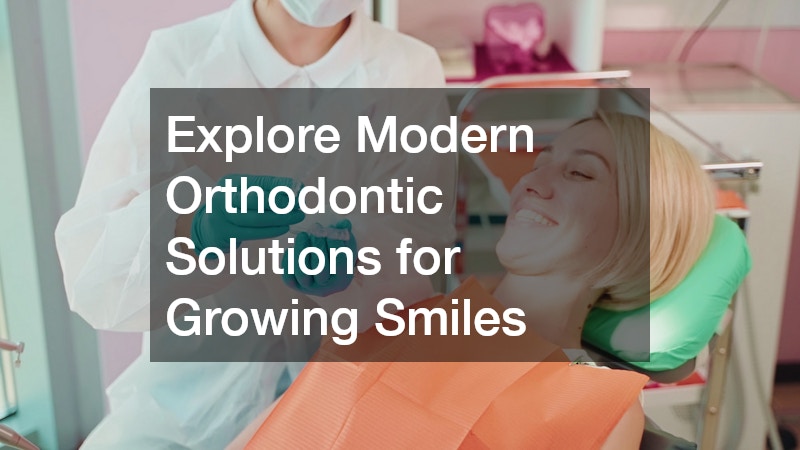
Straightening teeth isn’t just about appearance, it also supports oral health by improving bite alignment, making cleaning easier, and reducing the risk of cavities and gum disease.
Key Options for Families:
-
Clear Aligners: Invisalign offers a discreet solution for teens and adults, allowing for easier cleaning and fewer restrictions than traditional braces.
-
Traditional Braces: Effective for more complex alignment issues, available in various materials and colors.
-
Regular Checkups: Frequent monitoring ensures treatment stays on track and prevents complications.
Maintaining Oral Health During Treatment:
-
Brush and floss carefully around brackets or aligners.
-
Avoid sticky or hard foods that could damage appliances.
-
Continue routine dental visits for preventive care.
Orthodontic solutions enhance function and confidence, making it easier for families to maintain oral health over the long term.
Address Restorative and Cosmetic Needs for All Ages
Whether restoring damaged teeth or enhancing appearance, restorative and cosmetic dental options help families maintain both function and confidence.
Common Treatments:
-
Dental Implants: Replace missing teeth permanently, providing stability and natural appearance.
-
Dental Bridges: Span gaps caused by tooth loss, restoring chewing ability and preventing shifting.
-
Dentures: Removable or partial options help seniors regain comfort and function.
-
Cosmetic Dentistry: Procedures like veneers, whitening, and reshaping improve aesthetics while supporting oral health.
Tips for Long-Term Care:
-
Follow post-treatment instructions carefully to ensure longevity.
-
Maintain routine cleanings to prevent complications.
-
Consult your dentist about the best options for each family member’s needs.
Restorative and cosmetic care can transform a smile while reinforcing long-term oral health strategies.
Teach Kids About Preventive and Fun Oral Health Practices
Instilling healthy habits early increases the likelihood that children maintain good oral hygiene into adulthood. Making dental care engaging encourages participation and reduces fear.
Fun and Effective Strategies:
-
Visual Charts: Track brushing and flossing progress with stickers or markers.
-
Rewards Systems: Offer small incentives for consistent daily care.
-
Storytelling and Games: Turn brushing into a game or story to maintain interest.
-
Professional Guidance: Pediatric dentists can provide specialized tips for anxious or reluctant children.
Additional Tips:
-
Use child-friendly toothpaste and brushes.
-
Schedule regular checkups to familiarize children with dental visits.
By combining education with creativity, families can ensure preventive practices are both effective and enjoyable.
Plan for Long-Term Oral Health in Older Adults
As family members age, dental needs change. Maintaining oral health requires attention to restorations, tooth wear, and age-related risks.
Key Considerations:
-
Dentures and Dental Crowns: Regular adjustments and cleanings prevent discomfort and functional issues.
-
Preventive Care: Seniors should continue routine visits to monitor gum health and prevent root canal complications.
-
Diet and Hygiene: Adequate nutrition and consistent brushing/flossing remain essential.
-
Monitoring Changes: Watch for signs of decay, shifting teeth, or gum recession.
With proper planning and proactive care, older adults can maintain function, appearance, and confidence in their smiles.
Family-friendly dental health relies on a combination of consistent daily care, smart dietary choices, protective measures, and regular professional guidance. Establishing healthy habits early, preparing for emergencies, and considering restorative or cosmetic treatments when needed ensures that every family member enjoys a strong, confident smile.
By following these actionable strategies, families can reduce dental emergencies, prevent common issues, and enjoy the long-term benefits of healthy teeth and gums. Consistent care and professional support make it possible for smiles to stay bright, functional, and beautiful for years to come.