Dental anxiety is a common experience for many people. Whether it’s the fear of pain, loss of control, or negative past experiences, these feelings can prevent individuals from seeking necessary dental care. By addressing this anxiety, one can ensure better oral health and overall well-being.
1. Understanding Dental Anxiety
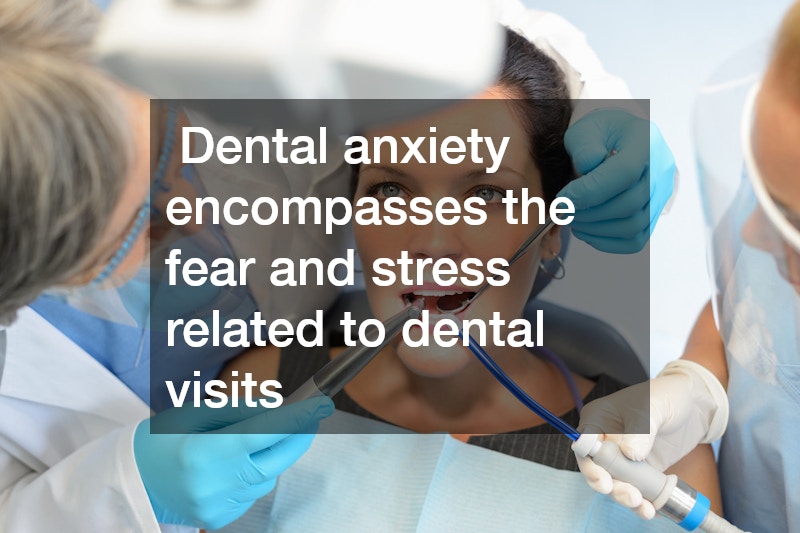
Dental anxiety encompasses the fear and stress related to dental visits. It can manifest in various ways, from mild unease to severe panic.
Understanding its causes is the first step in finding effective coping mechanisms.
Common causes include previous negative dental experiences or a fear of pain. The anticipation of discomfort often exaggerates these fears. By recognizing personal triggers, one can develop strategies to address them.
Open communication with your dentist can significantly alleviate anxiety. Dentists are trained to handle patients with anxiety and can provide options to ease distress. Building a trusting relationship makes dental visits more manageable.
2. Communication with Your Dentist
Building a strong patient-dentist relationship is crucial for reducing dental anxiety. Communicating your fears and concerns allows your dentist to tailor their approach to your needs. A transparent dialogue can help demystify procedures and diminish fear of the unknown.
Your dentist can explain procedures step-by-step, which can help in minimizing fear. Discussing possible discomfort and pain-management strategies is beneficial. This proactive approach enables patients to feel more in control of their dental experience.
A compassionate dentist fosters a supportive environment. By addressing your specific concerns, they help in creating a more relaxing and reassuring atmosphere. This can significantly alter your perception of dental visits, reducing anxiety in the process.
3. Relaxation Techniques and Distraction Methods
Relaxation techniques such as deep breathing exercises can help manage dental anxiety. By focusing on your breath, you can lower your heart rate and reduce feelings of panic. This practice is easy to learn and can be implemented during dental procedures.
Distraction methods, like listening to music or audiobooks, can redirect your attention away from dental procedures. Many dental offices offer calming amenities, further aiding in creating a serene environment. These techniques can minimize the focus on discomfort, aiding in a more relaxed state.
Techniques such as visualization can also be effective. Imagining a peaceful scene can distract the mind from anxiety-inducing stimuli. Over time, these methods can transform the dental experience into a more positive one.
4. Sedation Dentistry as an Option
For more severe cases of dental anxiety, sedation dentistry may be a viable option. Different forms of sedation, from mild anti-anxiety medications to deeper sedation approaches, can suit various levels of anxiety. Consulting with your dentist about these options can provide significant relief from anxiety.
Oral medications can help relax the patient before and during appointments. These medications are designed to keep you calm while still allowing for communication with the dentist. This approach is highly beneficial for those with heightened fear and anxiety.
More profound methods such as IV sedation or general anesthesia might be recommended for extreme cases. These options ensure patients are entirely relaxed or asleep, eliminating anxiety. However, they are typically reserved for those who are unable to undergo procedures otherwise.
5. Creating a Positive Dental Environment at Home
Developing a positive attitude towards dental care starts at home. Establishing a consistent oral hygiene routine can enhance your sense of control and engagement with your dental health. This proactivity can lead to a more positive association with visits to the dentist.
Reading educational materials and watching informative videos can demystify dental procedures. By understanding what to expect during a dental appointment, you reduce the element of surprise. This familiarity can ease anxiety over time and lead to more confident visits.
Support from family and friends can also reinforce positive dental experiences. Sharing stories and encouraging regular visits can normalize dental care. These supportive networks can play a crucial role in alleviating dental fear and promoting healthier habits.
Dental anxiety is a manageable condition when approached with understanding and the right strategies. Through communication with your dentist, implementing relaxation techniques, and perhaps considering sedation, you can transform dental visits into a less daunting experience. With these tips, maintaining oral health becomes a more achievable and anxiety-free goal.